
This 'Joker' Will Also Become Iconic. Either Way
About the comic book film that changes the rules.
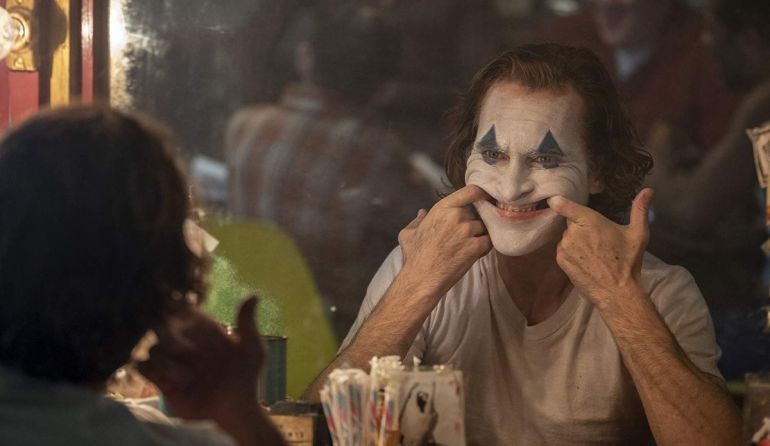
Arthur Fleck's mother always told him he was born to entertain and bring joy to people. In gloomy 80s Gotham, there is really a dire shortage of carefree laughter. Workers are on strike, the streets are overrun with rats, and young people have gone off the rails. A gun in such an environment is a far more effective weapon than a happy smile. But Arthur is against violence. He works as a clown and dreams of a career as a stand-up comedian. And Fleck is also seriously ill: he takes seven medications at once and cannot control his fits of laughter.
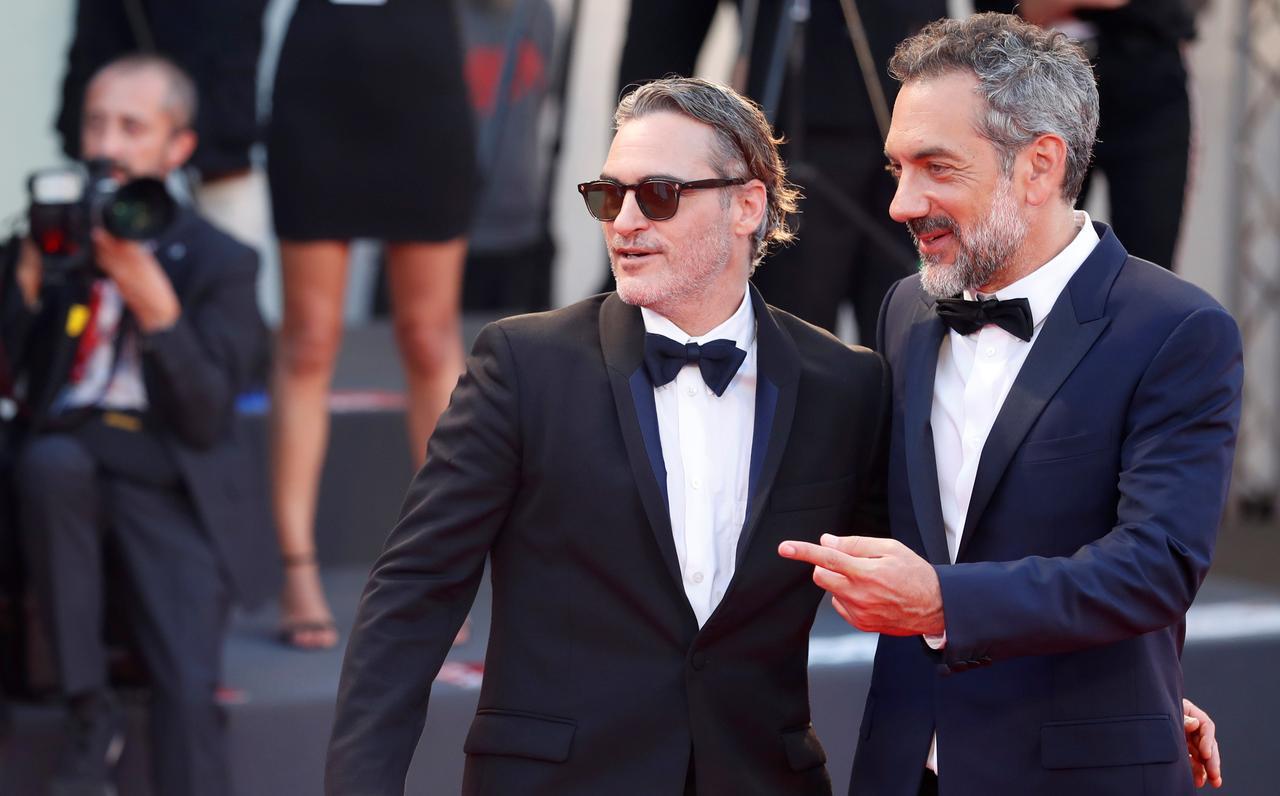
You have definitely seen at least one Todd Phillips film. More likely, even three. It was on his watch that four friends threw such a fiery party that one of them went missing. And then again. And again. Phillips made his name by directing the comedy trilogy The Hangover, but he broke into the major leagues thanks to a story with nothing funny about it.
To some extent this is a forced measure. At least Phillips himself admits that in modern Hollywood it has become hard to make comedies. "Try being funny in this new culture," he says in an interview with Vanity Fair. "There are tons of articles about why comedies don't work anymore. I'll tell you why. All these goddamn fun guys think: 'Hell with this crap, I don't want to offend anyone.' It's hard to argue with 30 million people on Twitter. So you just step out of the game and start to think."
Todd Phillips
Director of "Joker"All my comedies were daring and disrespectful. How do you do something like that, but in a different genre? I know! Let's make a comic book movie, but turn everything upside down.
With this idea Phillips came to Warner Bros. He positioned the film as an anti-superhero movie, without special effects and a children's plot, but with gritty realism. Casting Joaquin Phoenix in the lead role, the director suggested treating "Joker" as a heist film. The actor, understandably, was surprised, since there was no heist in the script. "We'll steal $55 million from Warner and do what we want," Phillips replied. The result: the top film prize at the Venice Film Festival and a projected $80 million in its US debut weekend.
A troubled loner cannot cope with the pressure and goes off the rails, blaming the oppressive society around him for everything. Nothing new? Phillips prepared for the complaints in advance. He openly says he drew inspiration from Martin Scorsese's "Taxi Driver" and "The King of Comedy," rather than rereading dozens of Joker comics. Todd's main goal was to weave a story about a supervillain and Batman's main enemy into a world as close to reality as possible, where people worry not about a threat of cosmic-scale catastrophe but, for example, about upcoming mayoral elections. Christopher Nolan did almost the same in his Dark Knight trilogy, but his legend would still collapse without the word "Batman." In "Joker" everything is different. Here there is Gotham, the Waynes, and that very scene with the necklace, but these are signs of respect for comic culture, not the engine of the plot. Phillips took a well-known hero and, together with Scott Silver (who worked on the scripts for "The Fighter" and "8 Mile"), came up with a completely original origin story. No vats of acid, just human contempt, desperate craving for attention and a mental disorder.
It turned out so convincing that the director had to explain that this is not a glorification of violence. "We made a movie about a fictional character in a fictional world. I hope that's how he is perceived," says Phillips. "You can't blame films for the world being so crazy right now. Our film is exactly about such a world, where anything can become a trigger for terrible acts. But this is not a call to action. Rather, it is an attempt to provoke society into self-examination."
US bans wearing costumes to screenings of the new "Joker"
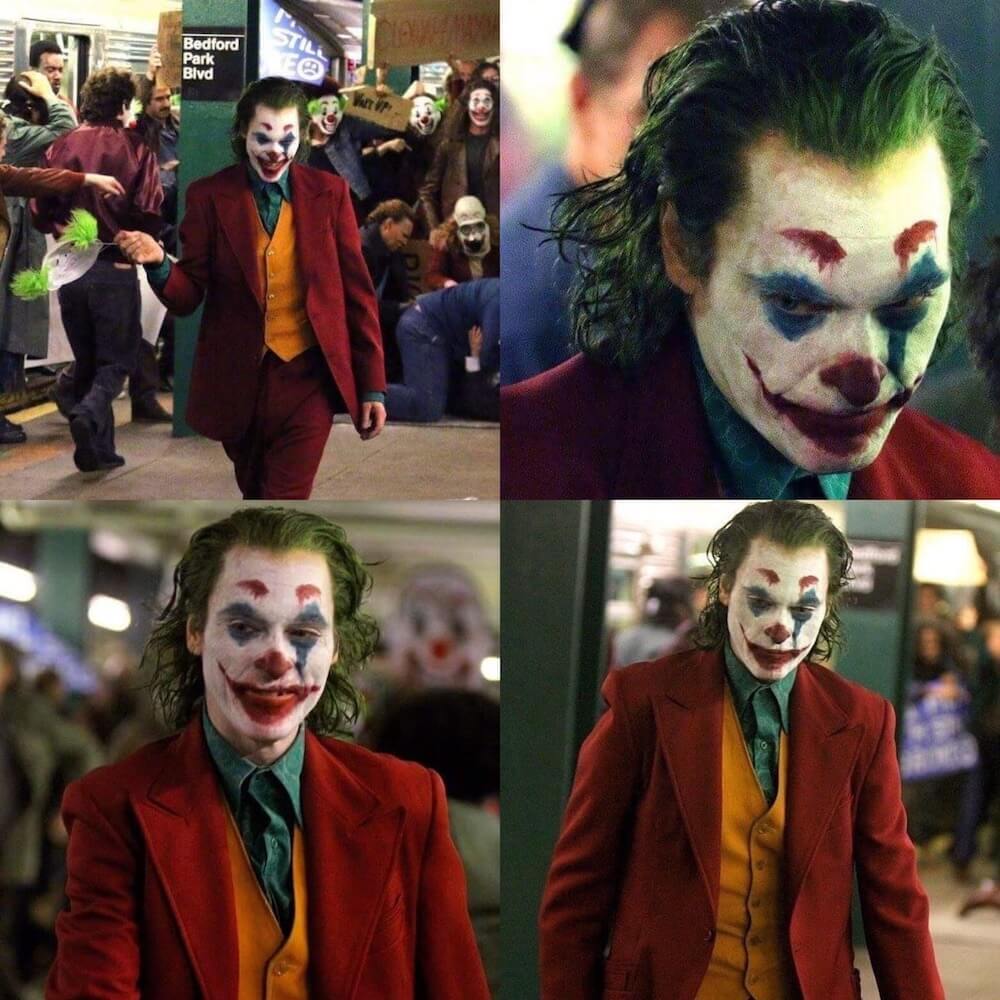
Joaquin Phoenix lost 23.5 kilograms for the role. While preparing, he watched not Jack Nicholson, Heath Ledger and Jared Leto, but studied the movement of Buster Keaton and Ray Bolger, who played the Scarecrow in "The Wizard of Oz." His Joker frightens not only with laughter, which at times resembles weeping more. The dance of a frail madman with protruding ribs is no less frightening, but mesmerizing to watch.
On set, Phoenix improvised a lot, and some of those scenes made it into the film. "He came up with such inventive forms. Simply incredible," Phillips says of the actor. Joaquin says that for him every role is like a documentary. "You need to feel the character and experience every moment of them," Phoenix believes.
If so, work on "Joker" could have pushed the lead actor to the brink of a nervous breakdown. "I knew what I was getting into. It's a complex film. It's good that it provokes such a strong reaction in people," says Joaquin. "Arthur can be viewed in different ways. To some he'll seem like an unhappy man who wants to be heard and noticed. To others, an obsessed maniac with delusions of grandeur."
Either way, this Joker will also become iconic. Heath Ledger received a posthumous Oscar for a supporting role as the clown bringing chaos. Phoenix's work is even more ambitious, as is the whole project. "Joker" changes the rules of the game and breaks templates: a comic book film no longer has to be a blockbuster with expensive CGI, nor a film just for geeks. Everything has really been turned upside down, just as Phillips promised.

Russian Attacks in Dnipropetrovsk Region: Two Killed, Seven Injured

Defense Forces Strike Four Russian Drone Control Points in Past Day, Including in Berdiansk

Britain Threatens Sanctions on Kremlin-Linked People; Poland Ready to Hand Ukraine Ammunition

Russia says it has completed "planned exercises" in the Black Sea

MVD: Fake Riots With Prop Blood Were Being Prepared Near Presidential Office

Law Enforcers Name Another Klitschko Deputy as Suspect

Berlin Holds Protest Against War in Ukraine; EU Prepares for Possible Russian Halt of Gas Supplies
North Korea Fires Ballistic Missile Over Record Distance in Five Years
Irish Fishermen Force Russia to Postpone Naval Drills

US sanctions in case of invasion of Ukraine could completely destroy Russia's economy, NYT reports
