
Turkish President Visits Ukraine. What Did Zelensky and Erdogan Agree On?
Ilia Kusa on the main outcomes of the visit.
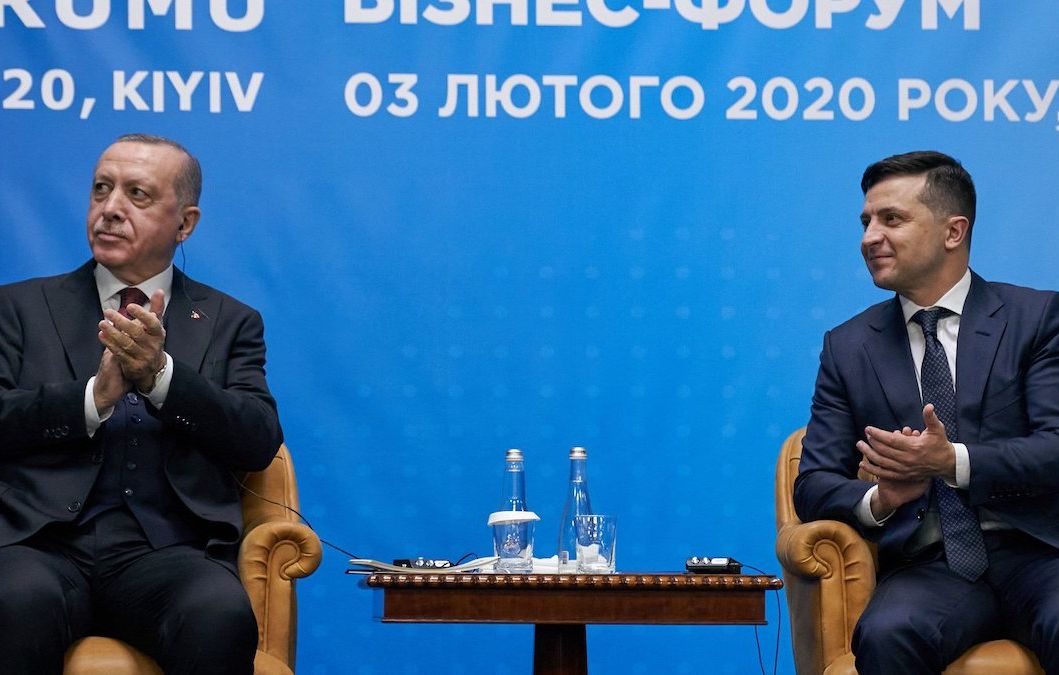
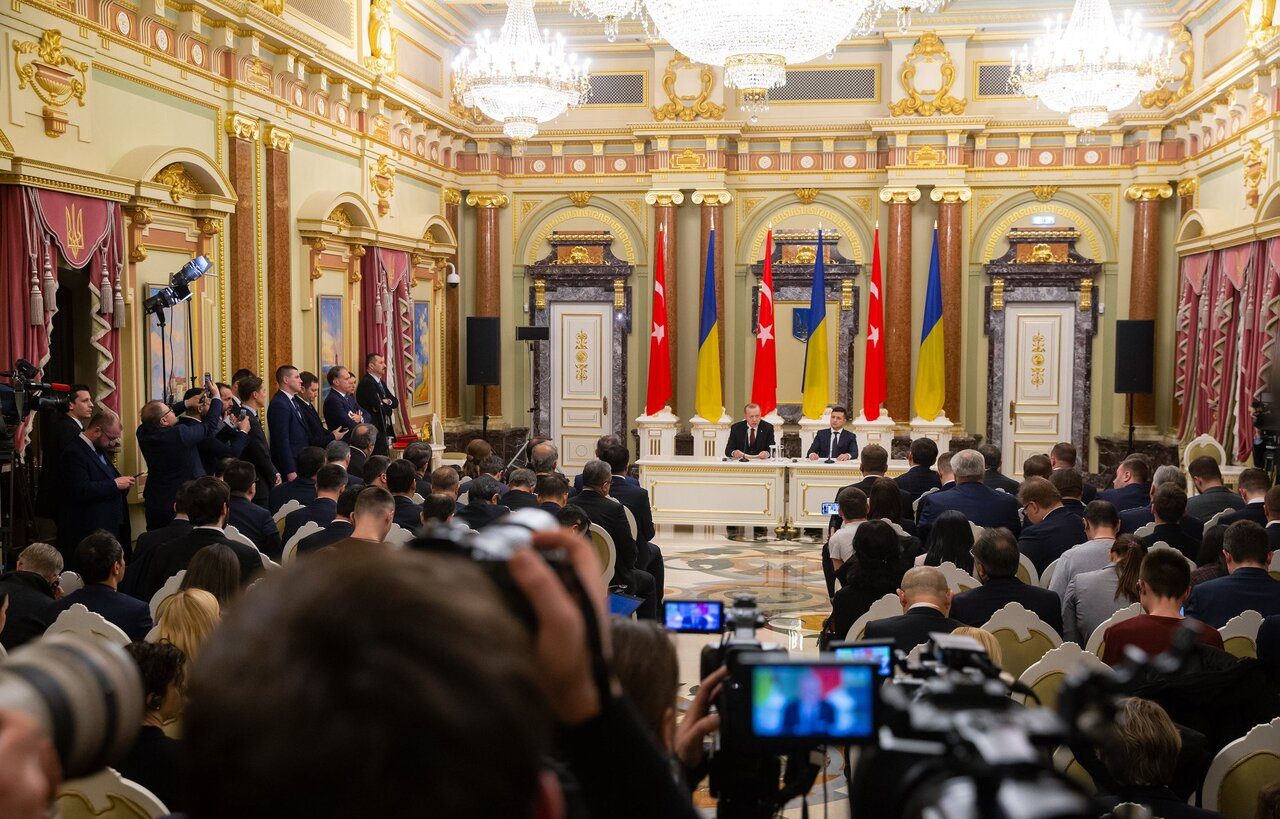
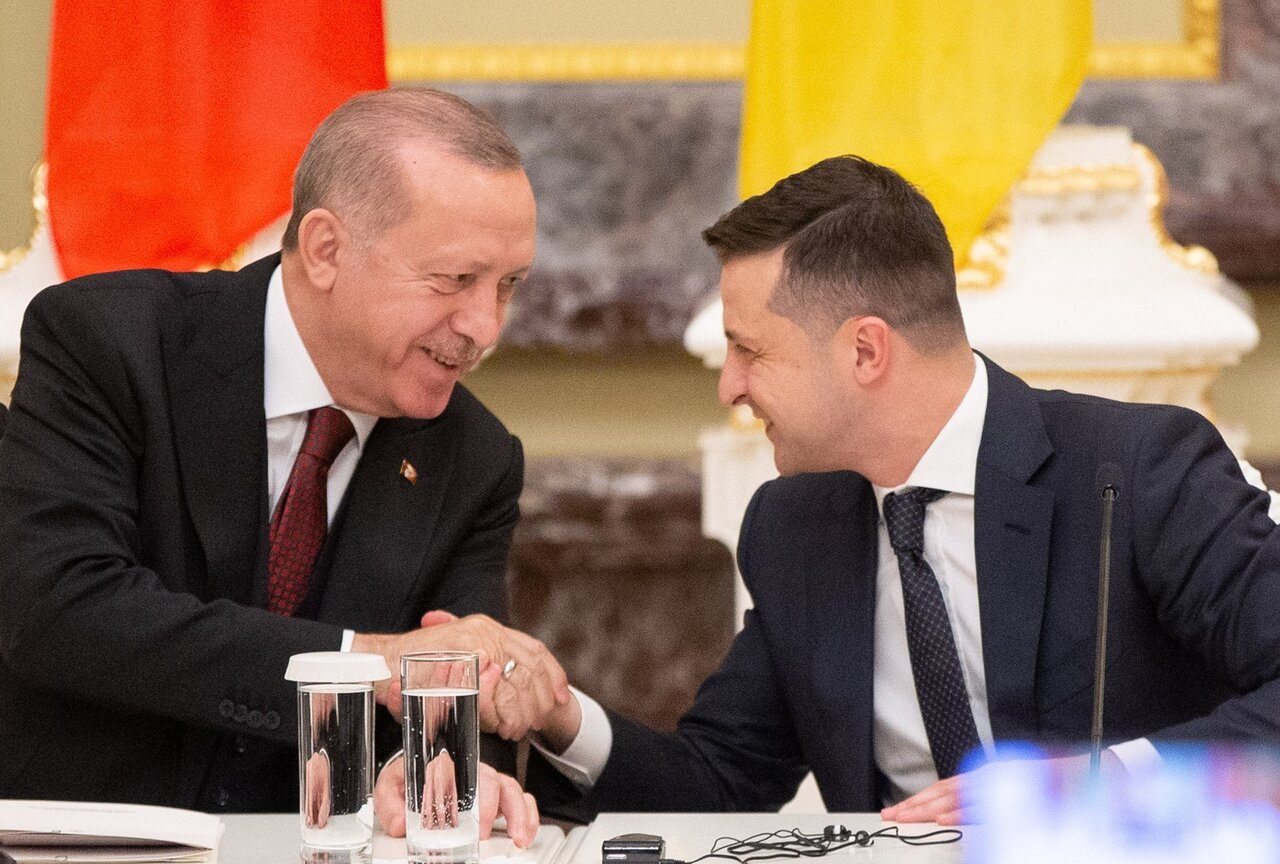
On January 3, President of Turkey Recep Tayyip Erdogan arrived in Ukraine on an official visit. He met with President of Ukraine Volodymyr Zelensky and members of the government. This is already the second meeting between Erdogan and Zelensky in the last six months. The previous time the President of Ukraine traveled to Turkey was back in the summer of 2019. The bilateral agenda was dynamic and substantive. The sides discussed a whole range of issues of mutual interest to both Ukraine and Turkey.
Without further ado, I will move straight to the main points the sides made and the key conclusions of Erdogan's visit. I will break them down by area.
1. Transport and infrastructure
At the joint press conference of Zelensky and Erdogan, very right and positive messages were voiced about cooperation in transport and passenger transportation, and in a broader context, the formation of trans-regional logistics corridors.
For the first time in many years, Turkey and Ukraine discussed increasing the role of the two countries in transport and infrastructure corridors connecting Central Asia and the Caucasus via Turkey and the Black Sea with Eastern Europe and the Balkans. These are very good signals and a highly promising direction, not only for bringing Turkey and Ukraine closer, but also for increasing mutual positive interdependence, as well as for Ukraine's geopolitical «breakthrough», given our advantageous geographic location.
The sides also actively recalled various projects in the field of road infrastructure, construction of highways and ports. However, I did not hear any specifics there. Unfortunately, cooperation with the Turks on roads and ports has been stalling for many years. The main reason is unfavorable terms and a negative investment and legal climate in Ukraine.
2. Trade and economy
In his speech, President of Ukraine Volodymyr Zelensky set the government a rather ambitious, and generally correct, goal: to increase trade turnover with Turkey to $10 billion over the next 5-7 years. This is a logical and concrete goal that is quite achievable given Ukraine's capabilities and resources.
However, it is worth noting that such an increase in trade turnover should not happen solely through imports of Turkish goods. Reaching $10 billion in mutual trade should be done while remembering the importance of maintaining a positive trade balance. In other words, if Turkey floods the Ukrainian market with its products, and Ukraine does not strengthen its export positions, but everyone achieves the coveted figure of $10 billion, then it will be extremely difficult to speak of success.
One of the most anticipated events during the Zelensky-Erdogan meeting, the signing of a free trade area agreement, did not take place. In my view, this is more of a positive than a negative. For Ukraine, in its current situation with an economy that is weak and dependent on commodity prices on world markets, an FTA could become a death sentence. Ukrainian national producers are often weak and unable to compete with stronger European or American ones. Turkey is no exception. The weight of the two countries in their economies is incomparable. Turkish producers would easily push Ukrainian ones out if an FTA agreement were signed, especially if the terms of the deal were agreed in Turkey's favor (access to the vegetable market, no quotas for Ukrainian agriculture, access to the consumer goods market). Pragmatism should be Ukraine's priority, not the very fact of obtaining an FTA with Turkey as a sign of «progress» in relations.
Unfortunately, no movement is expected in investment policy with Turkey. This is not surprising, since the ball is now in Ukraine's court. Without a soft investment climate, pleasant customer service and business support, and without a strong legal system, foreign capital, including Turkish, will not come here.
3. Politics
Zelensky's remark about the deaths of Turkish servicemen in Idlib province in northern Syria on the same day was an unfortunate and, indeed, not the most pleasant moment. The President of Ukraine twice expressed sympathy to the President of Turkey over the deaths of soldiers, and stated that «Ukraine, which has been in a state of hybrid war for the sixth year, understands as no one else the pain of such a loss». The problem with this statement lies in its extremely toxic and unfortunate context. The point is that the seven Turkish soldiers who died in «Idlib» (Zelensky never said it was Syria rather than just some «Idlib») were on Syrian territory illegally, as occupation forces, supporting local anti-government groups. Accordingly, drawing parallels between the situation in Syria and Ukraine with such an undertone was not advisable, because it is the same as expressing sympathy over the deaths of Russian servicemen in Donbas. This is unacceptable given Ukraine's position.
Another unpleasant moment in the political sphere, in my opinion, was connected with the so-called «Gülen case». Fethullah Gülen is an opposition Turkish preacher, leader and founder of the international Hizmet network, which for many years formed the backbone of the Turkish shadow establishment and bureaucracy. It was Gülen whom the Turkish authorities and Erdogan named the main organizer of the failed military coup attempt in Turkey in 2016. Since then, persecution of this organization has intensified. It was declared a terrorist organization, and more than 60,000 people were jailed for links to the Gülen movement. So, at the end of the press conference, the President of Ukraine instructed the head of the SBU to look into the activities of Gülen's educational and cultural institutions on Ukrainian territory. This is a dangerous undertaking, because Ukraine thereby gets drawn into the confrontation between Erdogan and his political opponents, who, I would remind you, have extensive lobbying and political ties in Europe and the US. This could come back to bite us someday.
The President of Turkey once again stated that he supports Ukraine's position on Crimea, condemns Russia's annexation of Crimea and will never recognize it. Beautiful, repeated words that so far mean nothing in practice. Yes, the official Ankara has not recognized the annexation, and cannot do so, because a) it is a clear violation of international law, and it is not worth recognizing it; and b) Turkey has its own problems with occupied territories in northern Syria. Erdogan pursues a pragmatic policy toward Ukraine and Russia. Publicly, Turkey condemns Russia's actions against Ukraine, but in practice it trades with it extensively, does not join anti-Russian sanctions, and carries out a host of joint infrastructure and energy projects.
In addition, Erdogan will continue to act as a negotiator and mediator for Ukraine in talks with Russia on the release of Ukrainian prisoners, especially Crimean Tatars. This is a good message with a solid basis. Erdogan has previously helped Ukraine get two prominent figures of the Crimean Tatar Mejlis back from Russian custody. As a communication channel with Moscow on these issues, as well as on the humanitarian situation in Crimea, Ankara can be useful.
4. Military-technical cooperation
One of the most promising areas of cooperation with Turkey, unfortunately, was not fully revealed during Erdogan's visit. Ukraine has some groundwork with Turkey in the production of drones and the purchase of various kinds of equipment. In fact, within the framework of the visit, the sides signed the first such agreement on Turkey allocating $36 million in financial aid for the needs of the Ukrainian army.
However, the terms of the agreement make it clear right away that it is extremely limited and will mostly benefit Turkish contractors. The entire amount allocated by the Turkish government will go to Ukraine's purchase of Turkish military equipment and other goods. For Ukraine, the strategic goal in the defense-industrial sphere is joint production with Turkey, preferably with localization on Ukrainian territory. But this is an ideal option that is quite feasible with certain efforts and willingness.
5. Tourism and culture
Turkey is perhaps one of Ukraine's best partners in developing the tourism industry. The Turks have enormous management experience in this sphere. However, so far I have not seen any breakthrough in this area during the visit. The sides limited themselves to routine phrases about the importance of cultural exchange and tourism development, while Zelensky recalled that Ukrainians like to travel to Turkey for holidays.
6. Crimean Tatars and Crimea
I did not hear anything specific or new regarding the Crimean Tatar direction. Turkey continues to strengthen its influence on the Crimean Tatar community in Ukraine, while our government is losing contact with them. There were no discussions on harmonizing Turkish humanitarian and financial aid to Crimean Tatars with similar efforts by Ukraine. So far, the Crimean Tatar direction is being developed by Turkey without active participation by Ukraine, and this is not the best situation given our strategic interests regarding Crimea.
7. Black Sea security
Zelensky and Erdogan announced the signing of an intergovernmental agreement on cooperation in ensuring Black Sea security. The signal is positive and logical. Ukraine and Turkey are the two largest Black Sea states interested in the stability of local trade routes and logistics hubs. There are no specifics on the agreement yet; we do not know its terms or its, so to speak, «guts». But this is a good start for Ukrainian-Turkish rapprochement on the Black Sea in light of Russia's aggressive expansion in the Crimea and Azov Sea area. However, Ukraine needs to remember that without developing its own strong navy, talk of deeper cooperation with Turkey in the Black Sea is out of the question.

Russian Attacks in Dnipropetrovsk Region: Two Killed, Seven Injured

Defense Forces Strike Four Russian Drone Control Points in Past Day, Including in Berdiansk

Britain Threatens Sanctions on Kremlin-Linked People; Poland Ready to Hand Ukraine Ammunition

Russia says it has completed "planned exercises" in the Black Sea

MVD: Fake Riots With Prop Blood Were Being Prepared Near Presidential Office

Law Enforcers Name Another Klitschko Deputy as Suspect

Berlin Holds Protest Against War in Ukraine; EU Prepares for Possible Russian Halt of Gas Supplies
North Korea Fires Ballistic Missile Over Record Distance in Five Years
Irish Fishermen Force Russia to Postpone Naval Drills

US sanctions in case of invasion of Ukraine could completely destroy Russia's economy, NYT reports
