
UK Petrol Stations Run Out of Fuel: What Happened and Why
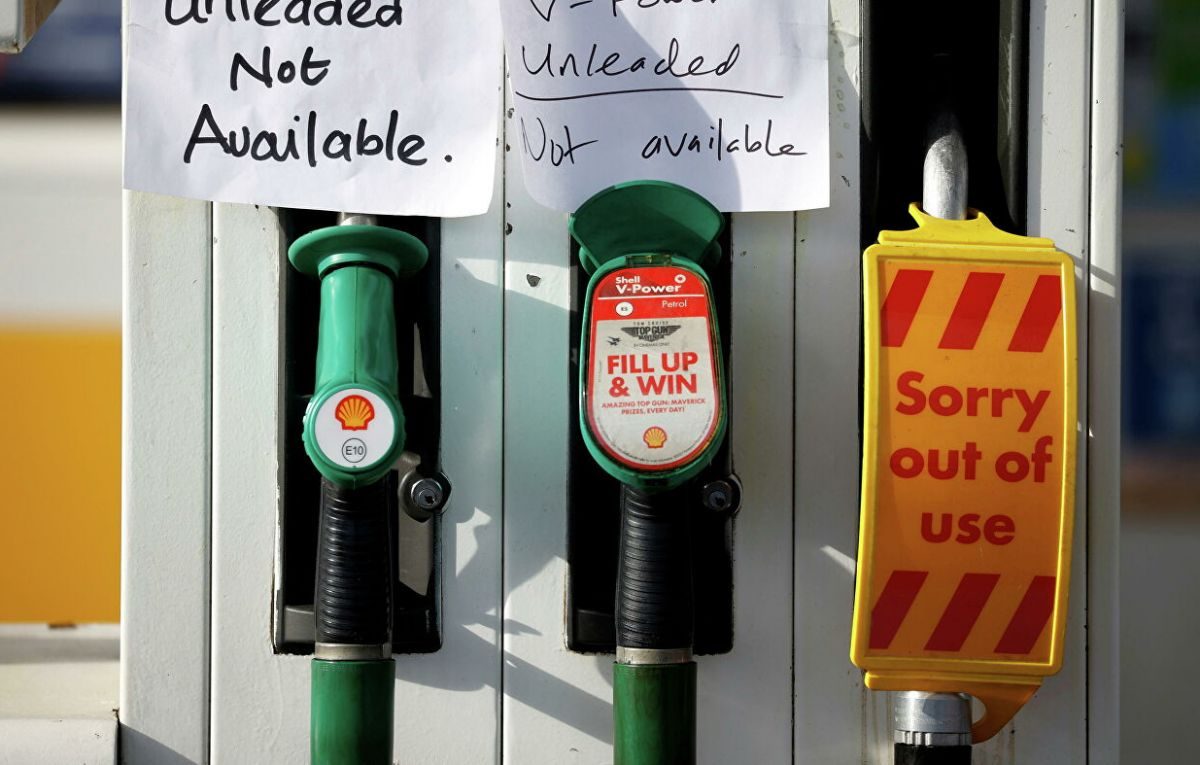
Petrol and diesel simply have no one to deliver them by tanker from fuel depots to petrol stations.
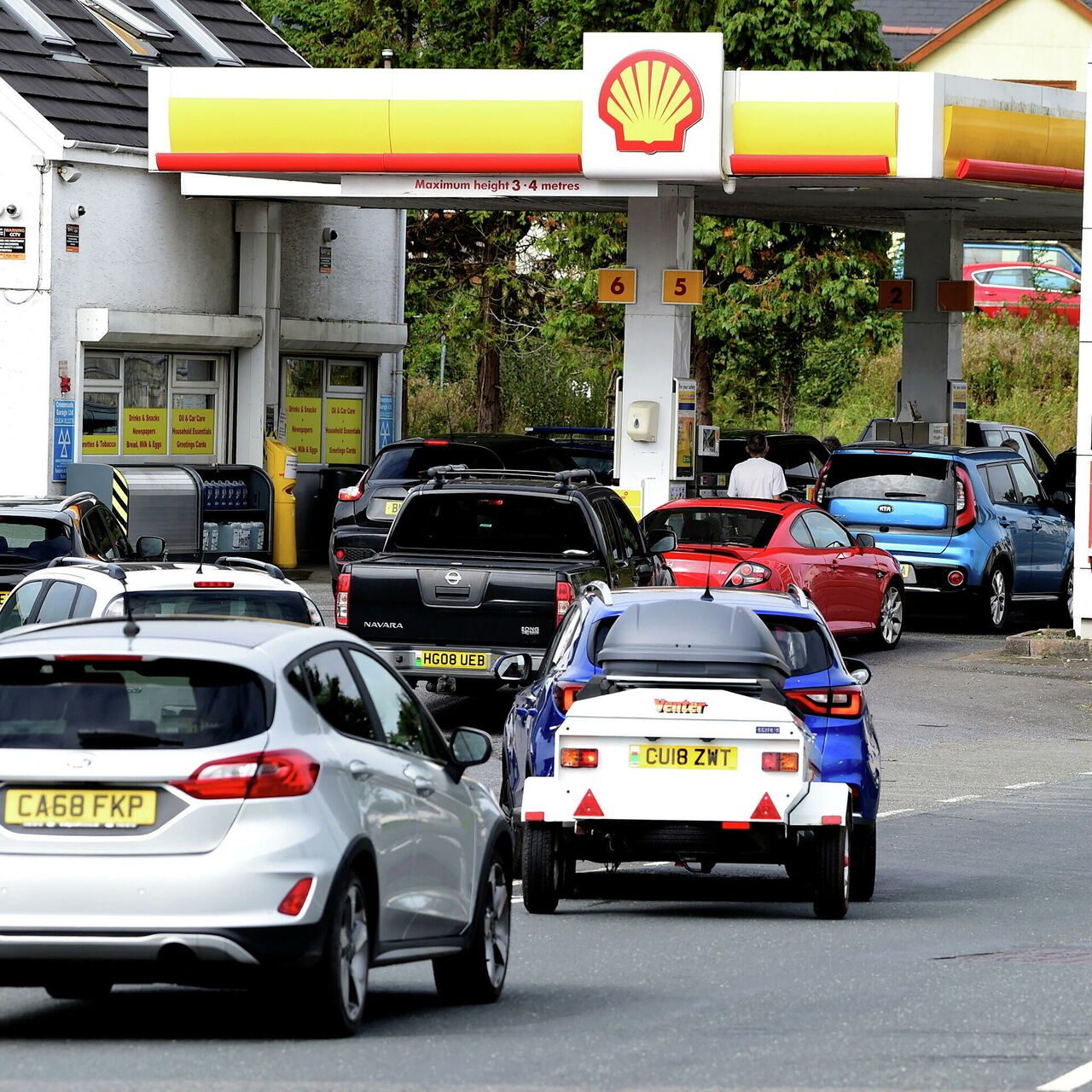
For several days, queues of cars have been forming at petrol stations across the UK, which are chronically short of fuel. Here is what happened and why.
What is happening
On September 27, a representative of the Petrol Retailers Association (which represents the interests of most petrol station owners in the country) told Reuters that in some areas of the country, 50 to 90% of the association's members' petrol stations are empty.
Drivers told the media that they have to queue for hours. Local authorities, for their part, insist there is no fuel crisis and that the queues are the fault of the motorists themselves, who have caused a “petrol panic.”
Before this, the UK had a systemic problem with the logistics chains supplying supermarkets with food, which left many shelves permanently empty. The fuel shortage has led to new problems, now in vital sectors, particularly healthcare.
The Guardian reports that, due to the shortage, oncology departments in British hospitals have been forced to cut the number of patient appointments, because there is simply not enough fuel for the special transport that takes patients to clinics.
A representative of the University College London Hospital said that the postponement of scheduled appointments affected only a few patients. However, other sources have been less restrained in their assessments. Deputy head of the British Medical Association David Rigby called the situation critical and said: “We cannot afford to spend two or three hours queuing for petrol when a patient is waiting for us.”
The opposition, in the form of the Labour Party's “shadow health secretary” Jon Ashworth, has already called on the authorities to supply critical services with fuel. Medical workers and unions representing other social care workers (including teachers and social workers) have supported his statement.
Prime Minister Boris Johnson did not comment on the fuel crisis for several days, and then said that such measures (as Ashworth called for — ed.) were unnecessary, since the situation at petrol stations was supposedly already improving.
Why this is happening
Older generations in Britain remember that long queues at petrol stations have happened before, especially during the prolonged fuel crisis of the 1970s. However, there is currently enough fuel in the country: representatives of the main suppliers say that their terminals and refinery storage facilities have sufficient reserves.
A severe shortage has emerged in another area: petrol and diesel simply have no one to deliver them by tanker from fuel depots to petrol stations. The Road Haulage Association said in an open letter to the prime minister that its industry is short of more than 100,000 heavy goods vehicle drivers.
The association cites the following reasons for this staff shortage:
- Britain's exit from the EU: after Brexit was finally completed in 2020, at least 25,000 truck drivers from EU countries left the country and did not return
- the coronavirus pandemic: before the pandemic, in a normal year, 72,000 people took the heavy goods vehicle driving test, of whom 40,000 passed, but in 2020 no driving tests were held, and only 15,000 people became new drivers
- an ageing workforce: the average age of a British truck driver is 55, and drivers under 25 make up just 1% of the workforce; many experienced drivers took early retirement after almost a year of inactivity or moved into other fields
Defence Secretary Ben Wallace said he was ready to allocate 300 members of the army reserve (drivers by profession) for emergencies, but this is clearly not enough. There is still no quick solution to these problems, and none is expected.
British authorities are trying to cope with the crisis, but others do not understand some of their steps. For example, when asked to extend short-term work visas from three to six months, the head of one European drivers' union replied that he was not going to “travel to the United Kingdom on a short-term visa to pull them out of the mess they have got themselves into.”

Russian Attacks in Dnipropetrovsk Region: Two Killed, Seven Injured

Defense Forces Strike Four Russian Drone Control Points in Past Day, Including in Berdiansk

Britain Threatens Sanctions on Kremlin-Linked People; Poland Ready to Hand Ukraine Ammunition

Russia says it has completed "planned exercises" in the Black Sea

MVD: Fake Riots With Prop Blood Were Being Prepared Near Presidential Office

Law Enforcers Name Another Klitschko Deputy as Suspect

Berlin Holds Protest Against War in Ukraine; EU Prepares for Possible Russian Halt of Gas Supplies
North Korea Fires Ballistic Missile Over Record Distance in Five Years
Irish Fishermen Force Russia to Postpone Naval Drills

US sanctions in case of invasion of Ukraine could completely destroy Russia's economy, NYT reports
