
Ultra-cheap tickets, perks for customers and first spaceflights. What awaits aviation in 2021
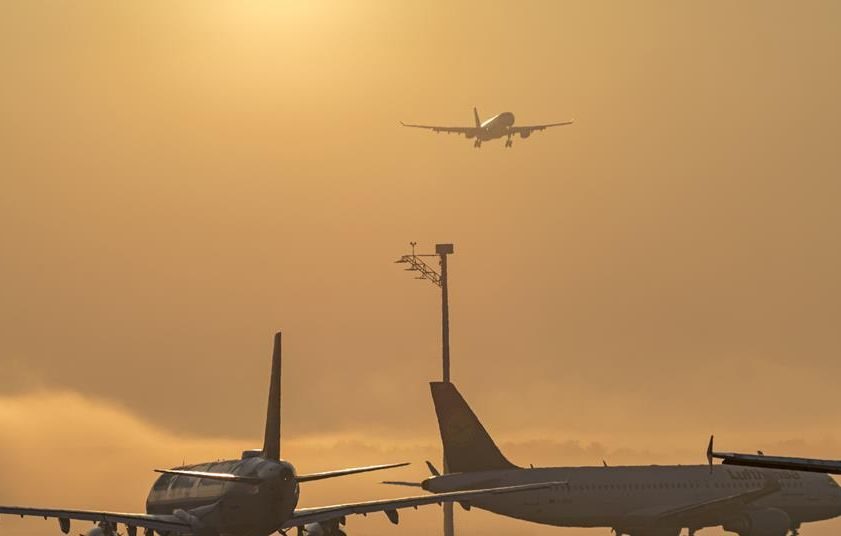
Not all changes come from a good life.
Covid-19 abruptly halted a decade of stable airline profits. The pandemic plunged carriers into a deep hole, along with aircraft manufacturers, airports and leasing companies.
2021 will be a transitional year for an industry that previously operated 208 million flights a year worldwide. At best, the path will be rocky, and the pace of recovery in travel will depend on vaccine rollout, access to capital, government policy and the behavior of the virus, which is still not fully understood. At the same time, a breakthrough is also expected: the first commercial flights to space.
Bloomberg has identified trends that will be relevant in the new year.
Ultra-cheap tickets amid a price war
Air travel volumes will not grow until the population is vaccinated enough to reduce infection levels. But even then, efforts will be needed to bring people back onto planes. According to Ryanair CEO Michael O’Leary, European fares will have to fall to 10 euros.
But airlines may have other options for attracting customers: free hotel stays, buy-one-get-one-free offers or free travel insurance. There is already experience: promotions by China Eastern Airlines offering unlimited flights for a single price became popular, and ticket sales services showed very low prices ahead of Chinese New Year.
The main question is how much time airlines will need to wean customers off such incentives? By mid-year, family travel is forecast to pick up in most regions, but the more profitable niche, business trips, will almost certainly remain depressed, because companies will not want to send people on the road.
According to OAG's chief analyst, the aviation industry will not recover until all the temptations disappear and carriers start earning real profits from their routes.
Cash quest
In 2020 airlines collected record amounts of subsidies, but in 2021 they will need even more. Share sales and debt conversion will take on increasing importance, because companies need to restore their balance sheets.
Governments that invested $220 billion in helping airlines will continue to play a significant role. France and the Netherlands, the largest shareholders of Air France-KLM, are negotiating an injection of additional billions by converting the 10.4 billion euros already provided into hybrid debt.
Airlines such as easyJet will likely increase their capital, but reducing cash injections remains a problem, and others are in a much worse position. Norwegian Air's restructuring plan is based on attracting new investment and will lead to abandoning transatlantic business in favor of regional services. Creditors of bankrupt Thai Airways will consider a rehabilitation plan in February. Low-cost carrier AirAsia and Thai company NokAir will present their plans in the coming months.
American airlines will soon receive another $15 billion in aid to pay employees, in addition to the $25 billion already received in 2020. The US Treasury Department provided this money as a loan.
Big players swallow the small ones
Dozens of airlines have ceased operations or declared bankruptcy since the start of the pandemic. Many are struggling to survive, and they could be absorbed by larger players. Germany's Lufthansa is targeting Condor, which specializes in holiday flights with routes to Zanzibar and Corfu. Condor was once a Lufthansa subsidiary and could become an attractive target for it again. Still, it may be barred from the acquisition under the terms of state aid it has received.
Space flights
After many years of preparation and sometimes overly optimistic forecasts, the first space trips for tourists could take place as early as this year. In 2021, billionaire Richard Branson is launching suborbital flights with Virgin Galactic. The company has already told investors that in the first quarter its spacecraft will launch Branson himself into space from New Mexico, and then serve about 600 early customers who have already paid $250,000 per ticket.
Branson's company will face competition from Jeff Bezos, who is investing in developing the reusable New Shepard suborbital rocket for Blue Origin. In October the company carried out its seventh test flight from Texas. A couple more such flights and sending people into space will begin.
Finally, Elon Musk's SpaceX intends to send a crew of four to the ISS at the end of the year. There the group will spend 10 days specifically to bring the launch of flights in low Earth orbit closer.
Low demand for new airliners
Demand for small aircraft is growing, but things look bleak for wide-body jets from Airbus and Boeing. Even before the epidemic outbreak, sales were low, and now an excess of old models will hold back demand for years to come.
Due to the suspension of long-haul flights, the 'retirement age' of aircraft has risen and there is a shortage of new orders. Boeing is trying to hold on to orders for its largest plane, the 777-9, but it is already two years behind schedule. Analysts also expect further production slowdowns for the more popular Boeing 787 and Airbus A350.
Narrowing of routes
When the air travel market reached its all-time peak in 2019, major airlines began opening short-haul routes. Now they are abandoning them in order to reduce losses in any way possible.
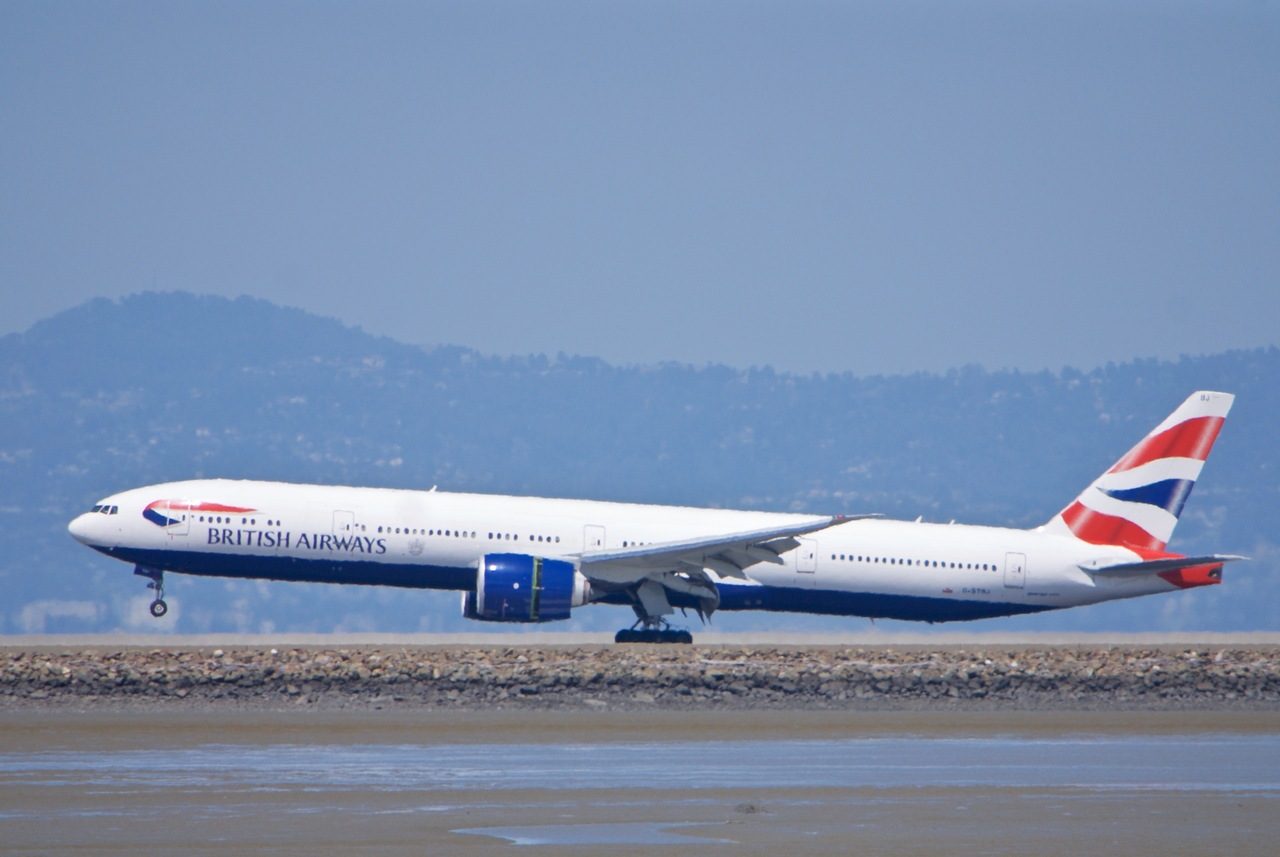
Fewer flights, the use of smaller aircraft and cuts to flights between large cities are undermining the economies of some places that depend heavily on tourism. And the rollback could last indefinitely. Long routes are just as vulnerable. From March, British Airways is permanently closing 13 long-haul routes to North America, the Middle East, Southern Africa and Asia. Australia's Cathay Pacific will stop flying on seven routes due to growing losses, and so on.
There is light at the end of the tunnel
Launching new airlines at the most difficult time for the industry may seem reckless, but there is logic to it. Little investment is needed now, because the pandemic has created a huge fleet of idle aircraft at leasing companies that are eager to find new carriers.
Manufacturers are also looking for new buyers for brand-new aircraft, especially the Boeing 737 Max, which is returning after a 20-month ban on operation.
Current airlines have cut thousands of jobs, giving potential competitors access to a surplus of experienced staff.
Cyrus Capital already plans to revive Britain's Flybe by buying the brand. The recently founded Emerald Airlines has won a contract to operate regional flights from Ireland. Flyr from Oslo will launch in the coming months and wants to take Norwegian traffic. Canada's Flair Airlines plans to increase its fleet from 3 to 50 aircraft. GlobalX from Miami is launching charter flights to Latin America, and South African lessor Global Airways helped launch the low-cost carrier Lift in December due to a surplus of aircraft.
A new world of aviation
Long security queues, the need to take off shoes and restrictions on carrying liquids became the norm after September 11, 2001, and Covid-19 will leave behind the use of masks, social distancing and passenger tracking apps.
Customers will likely demand that airlines maintain high hygiene standards, and Covid tests before departure will become the norm. Carriers insisted on this step so they would have more opportunities to lure customers with safety, but it became more feasible after a new strain was discovered in Britain. France and other European countries demanded checks on all passengers arriving from Britain.
Many companies have already scrapped fees for changing or refunding tickets, and the boarding and check-in process will also be improved.
Translation and adaptation by Evgeny Blazhko, TK Media

Russian Attacks in Dnipropetrovsk Region: Two Killed, Seven Injured

Defense Forces Strike Four Russian Drone Control Points in Past Day, Including in Berdiansk

Britain Threatens Sanctions on Kremlin-Linked People; Poland Ready to Hand Ukraine Ammunition

Russia says it has completed "planned exercises" in the Black Sea

MVD: Fake Riots With Prop Blood Were Being Prepared Near Presidential Office

Law Enforcers Name Another Klitschko Deputy as Suspect

Berlin Holds Protest Against War in Ukraine; EU Prepares for Possible Russian Halt of Gas Supplies
North Korea Fires Ballistic Missile Over Record Distance in Five Years
Irish Fishermen Force Russia to Postpone Naval Drills

US sanctions in case of invasion of Ukraine could completely destroy Russia's economy, NYT reports
