
How Apple's Approach Is Changing and Why iPhones Got Cheaper
Now the company is betting on services.
On Tuesday, September 10, Apple held its annual product presentation in Cupertino. TK Media has already reported on the new products unveiled, and now we look at why the new iPhones have become noticeably cheaper and how Apple's approach to its own products is changing.
In 2017, Apple introduced the new iPhone 8 priced at 699. A year later, it cut the price by 100 dollars. In 2019, Apple continued to support the iPhone 8 and lowered the price by another 150 dollars, so it now costs 449 dollars.
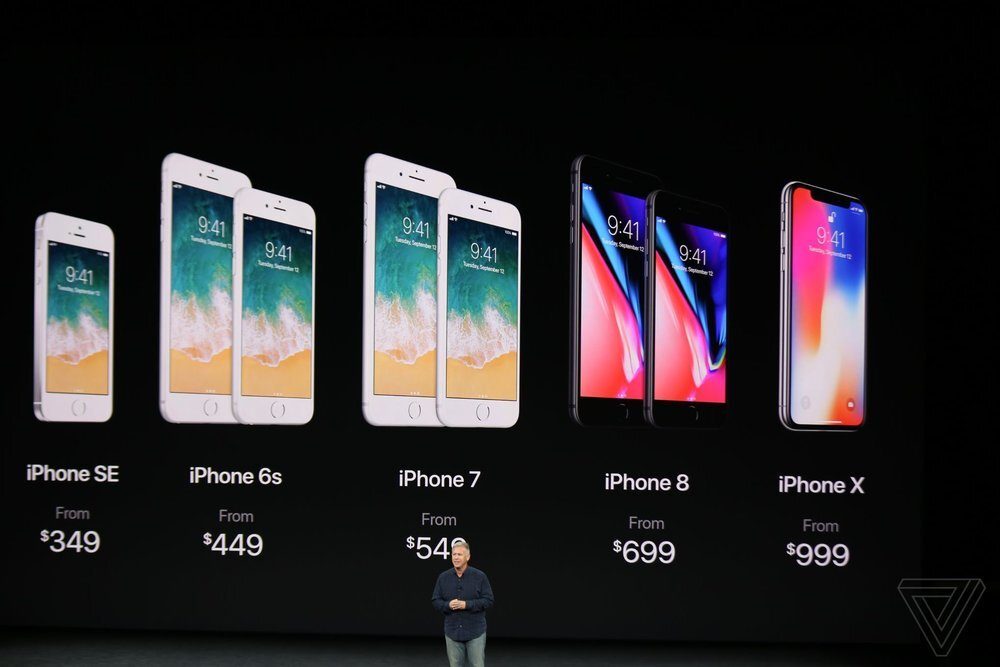
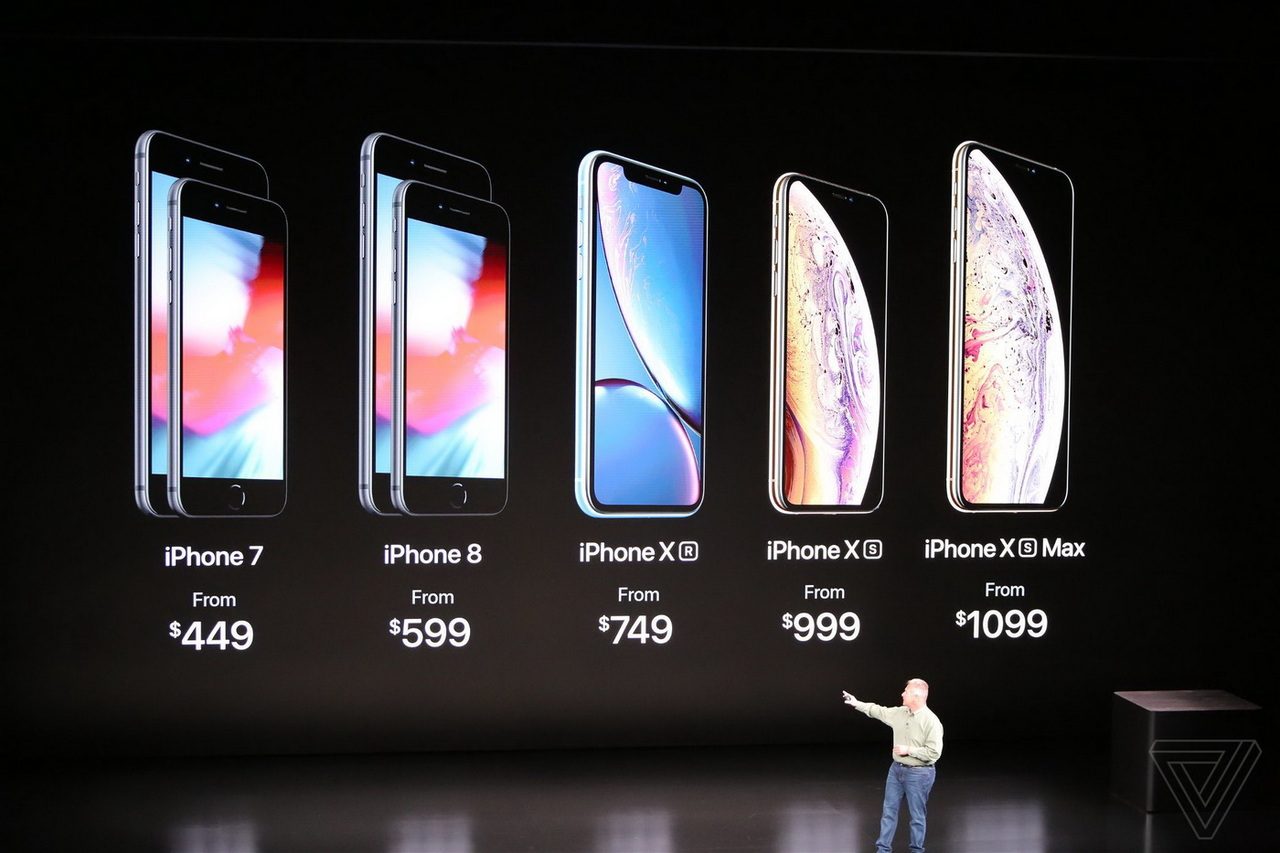
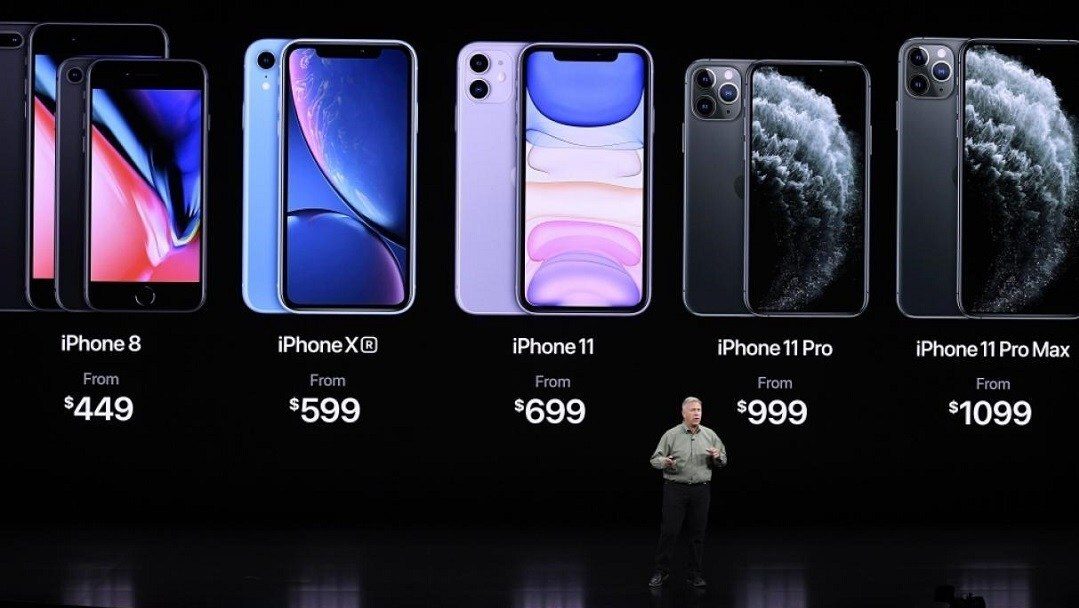
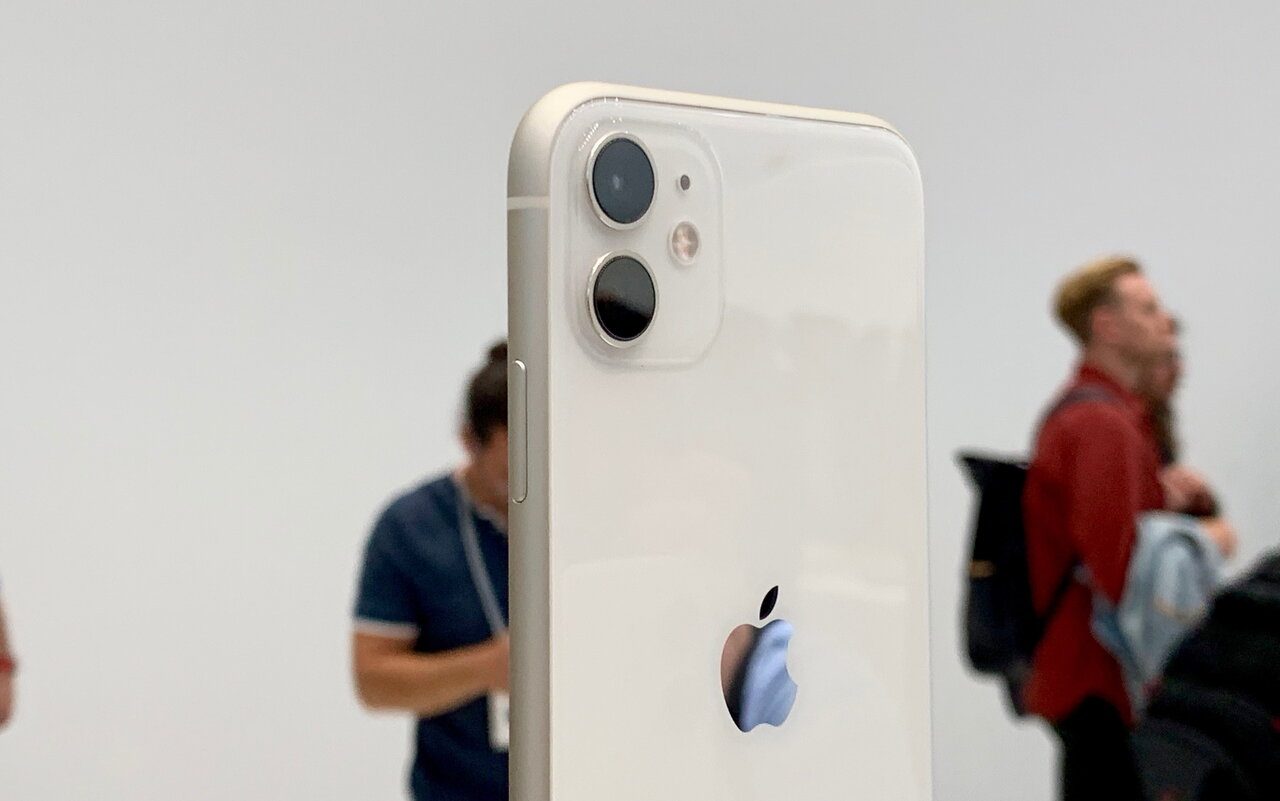
Over two years, the phone has become a third cheaper (from 699 to 449 dollars). Moreover, in 2018 Apple released the so-called "budget" iPhone XR for 749 dollars, which a year later dropped to 599 dollars (down 150 dollars in a year), because it was replaced by the iPhone 11, which already starts at 699 dollars (the same price the iPhone 8 had at launch two years ago, while the XR was 50 dollars more expensive at launch a year earlier).
Although "flagship" iPhones still start at 999 dollars, users can now afford to carry a current or last year's iPhone for just 600-700 dollars. The numbers confirm this: the iPhone XR became the world's best-selling phone in the first half of 2019, outselling its closest competitor from Samsung by a factor of two (26.9 million units sold versus 13.4 million).
What is the reason for these changes?
For many, it is already clear that Apple plans to use content as a key advantage over competitors, and cutting prices on current, powerful models is the best way to make its devices more accessible and attract audiences.
The company has managed to build its own ecosystem: a unique operating system, iOS, its own App Store, phones, tablets, smartwatches, wireless headphones, laptops, desktop computers and even a TV set-top box. All these devices sync perfectly and complement each other.
The performance, functionality and design of its devices outshine most competitors. But technology is still developing more slowly than before, so it is in the company's interest to keep its audience.
In 2019, Apple took an active course toward content. Consider this: TV series are already in production, including "The Morning Show", "See", and the adaptation of the well-known novel "Shantaram" for the Apple TV+ streaming service, which launches on November 1, 2019; and the Apple Arcade gaming service is being tested, which launches on September 19, 2019.
At the same time, Apple actively promotes these products at its presentation, offers them at a price that is low for the market at 4.99 dollars per month, and adds a one-year Apple TV+ subscription to the purchase of every iPhone, iPad or Apple TV. Is a combined subscription to all services not far off?
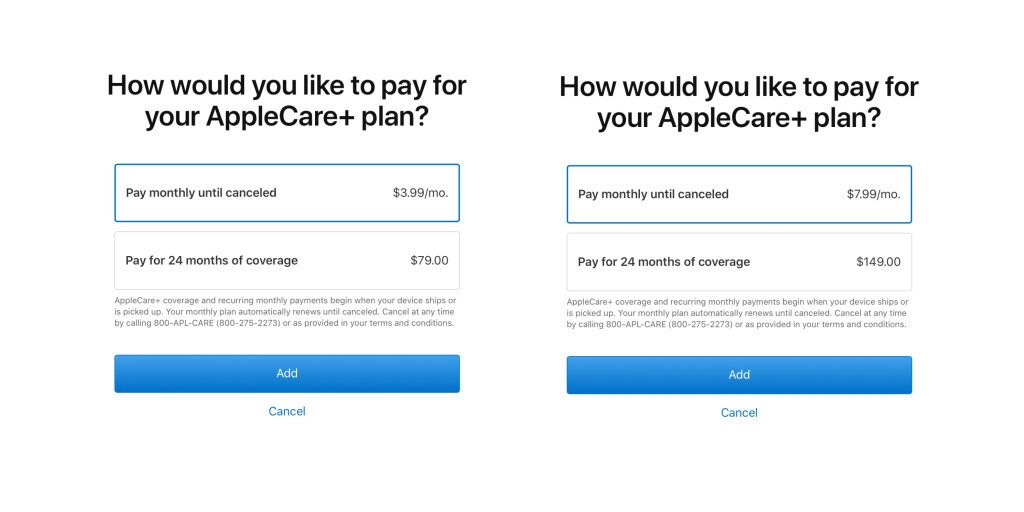
We should not forget the popular Apple Music service, which recently got a separate web version. And the cherry on top is the updated AppleCare+ service, which has turned from an extended warranty into a monthly subscription. Of course, it has now become more expensive.
Add to this the unofficial insider reports of a truly budget iPhone SE2 due in spring 2020, and the launch of Apple Card.
Now keep your eyes on the details
The phone is today's most popular gadget. And Apple, with its iPhone, occupies most price segments of the market:
- 400 dollars — iPhone SE 2 (presumably);
- 450-500 dollars — iPhone 8, 8 Plus;
- 600 dollars — iPhone XR;
- 700 dollars — iPhone 11;
- 1000-1100 dollars — iPhone 11 Pro, 11 Pro Max.
The situation is much the same in the laptop market: the compact "typewriter" is the MacBook 12, the mid-range model is the MacBook Air 13.3, and the more powerful ones are the MacBook Pro 13.3 and 15.6. And there are also wireless headphones, smartwatches, tablets, desktops and TV set-top boxes.
The company has also begun dividing products into "regular" and Pro versions: the trend has already affected the iPhone and MacBook. Rumors point to new AirPods Pro and even a super-powerful 16-inch MacBook Pro.
Music subscription, movie and TV subscription, game subscription, warranty subscription, contactless payments and its own credit card — and although some services are still just developing, we all know Apple's approach from the example of the same gadgets and Apple Music.
In recent years, Apple has expanded its ecosystem with wireless headphones and smartwatches, covered the main price segments of the phone and laptop markets, and now will also "subscribe" most of its users to additional services. And although there are plenty of competing products today, this very approach to development will help the company remain the market leader in the future.

Russian Attacks in Dnipropetrovsk Region: Two Killed, Seven Injured

Defense Forces Strike Four Russian Drone Control Points in Past Day, Including in Berdiansk

Britain Threatens Sanctions on Kremlin-Linked People; Poland Ready to Hand Ukraine Ammunition

Russia says it has completed "planned exercises" in the Black Sea

MVD: Fake Riots With Prop Blood Were Being Prepared Near Presidential Office

Law Enforcers Name Another Klitschko Deputy as Suspect

Berlin Holds Protest Against War in Ukraine; EU Prepares for Possible Russian Halt of Gas Supplies
North Korea Fires Ballistic Missile Over Record Distance in Five Years
Irish Fishermen Force Russia to Postpone Naval Drills

US sanctions in case of invasion of Ukraine could completely destroy Russia's economy, NYT reports
