
Market or Laboratory After All? How China Destroyed Evidence That Could Prove a Virus Leak in Wuhan
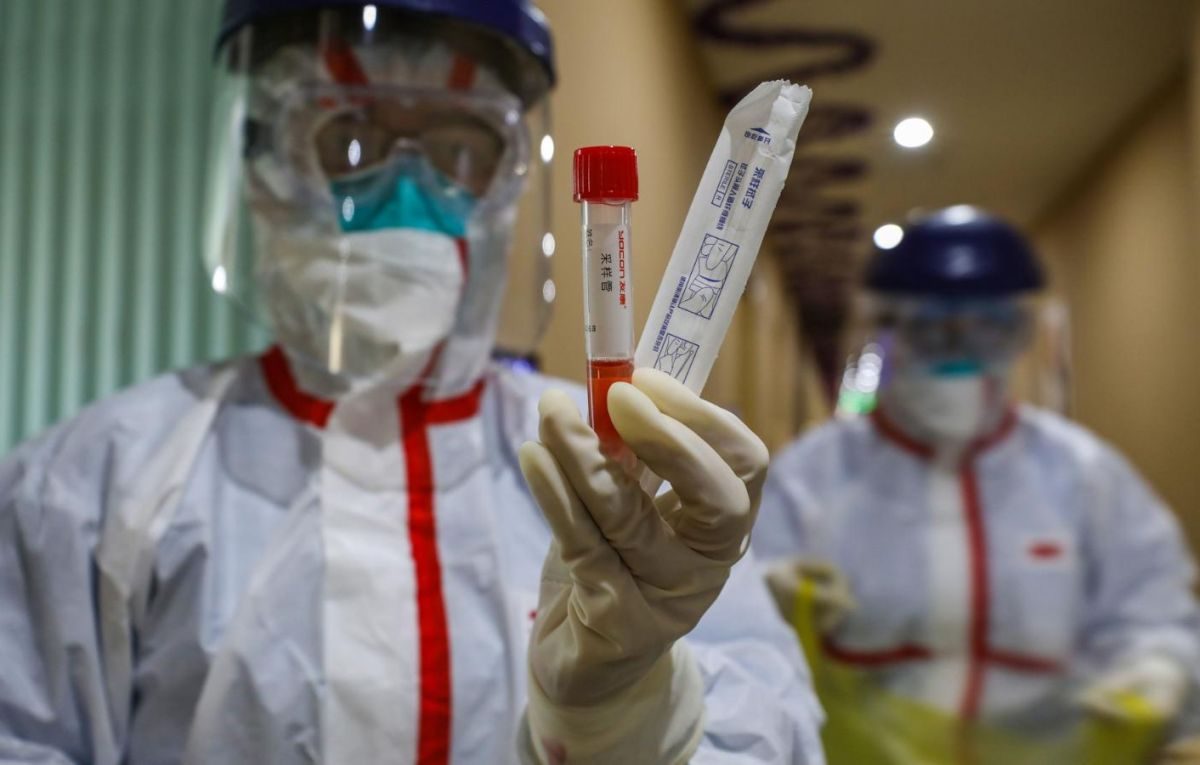
Australia's The Daily Telegraph on an investigation by Western countries.
China deliberately concealed or destroyed evidence of the coronavirus outbreak, disregarding “international transparency,” which cost tens of thousands of lives. This conclusion was reached by The Daily Telegraph, which obtained a 15-page dossier prepared by the governments of Western countries.
It states that, fearing threats from other countries, Chinese authorities concealed news about the coronavirus, forcing doctors to stay silent, and some of them subsequently disappeared altogether. Evidence was destroyed in laboratories, and international scientists developing a vaccine were denied access to live samples.
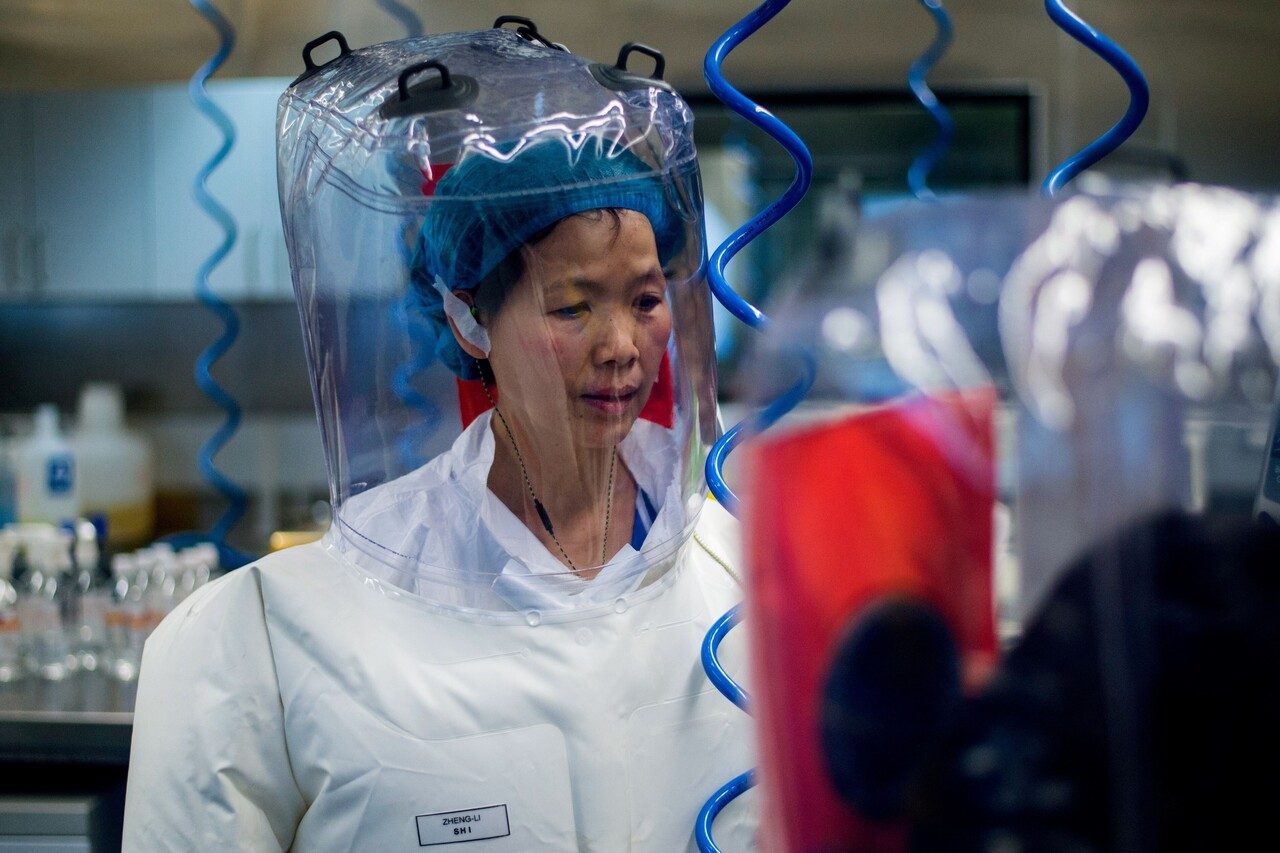
Intelligence agencies are now trying to determine whether the spread of the virus was the result of an accidental leak from a laboratory in Wuhan, where a team led by Dr. Shi Zhengli worked.
Risky research on bats
Shi Zhengli and her team work in laboratories in Wuhan — precisely there, not far from the infamous market, they study deadly coronaviruses taken from bats.
At least one of the 50 virus samples in Shi’s laboratory is 96% genetically identical to COVID-19. When Shi heard the news of the outbreak of a new pneumonia-like virus, she, as she herself recounts, spent several sleepless nights worrying that her laboratory might be to blame for the outbreak.
This week, in an article titled “Could They Have Come From Our Lab?” in Scientific American, she stated that the genetic code of COVID-19 does not match what she studied. But given the scale of lies from Chinese authorities and their fierce refusal to allow an investigation into the causes of the outbreak, Shi’s laboratory is now under close scrutiny.
Australia’s government currently takes the position that the virus most likely emerged at the market in Wuhan, but there is a small — about 5% — probability that it accidentally leaked from a laboratory. The US position is different: the virus most likely leaked from a laboratory, but it could also have appeared at the market where wild animals are traded and killed, from which other diseases have emerged, including avian flu and SARS.
The emergence of more deadly viruses
The dossier states that a 2013 study conducted by a group of scientists, including Dr. Shi, collected a fecal sample from horseshoe bats in a cave in Yunnan Province. It was later found that the virus contains 96.2% of SARS-CoV-2, which causes COVID-19.
The team synthesizing SARS-like coronaviruses altered parts of the virus to test whether it could transmit to different species. A joint study with the University of North Carolina in 2015 concluded that a SARS-like virus could jump directly from bats to humans, and that there are no drugs against it. According to the dossier, the work being carried out was extremely dangerous.
“To investigate the possibility of infecting humans with circulating bat CoVs, a chimeric virus was created encoding a novel, zoonotic CoV spike protein — from the RsSCO14-CoV sequence, which was isolated from Chinese horseshoe bats,” the investigation says.
Professor Ralph Baric, one of Dr. Shi’s research partners, said at the time in an interview with Science Daily: “This virus is highly pathogenic; its treatment methods were developed against the SARS virus in 2002. The drugs were used in the fight against the Ebola epidemic, but they are unable to neutralize and control this particular virus.”
A few years later, in March 2019, Dr. Shi and her team, including Peng Zhou, who worked in Australia for five years, published an article titled “Bat Coronaviruses” in the Chinese medical journal Viruses. They wrote that they aim to predict virus hotspots and their potential for transmission between species, describing the need to study bat coronaviruses in China as urgent — to “understand their ability to cause an outbreak.” The same article said: “It is highly likely that future outbreaks of SARS or MERS will come from bats, and with high probability this will happen in China.”
Although research is now examining whether her laboratory could be responsible for the outbreak, Dr. Shi is not pausing her research, because, she claims, it is more important than ever now. She plans to lead a project to systematically sample viruses in bat caves — it is estimated that more than 5,000 strains of coronavirus remain to be found in bats.
“Coronaviruses from bats will be the cause of new outbreaks. We must find them before they find us,” she wrote in Scientific American.
Australia’s involvement
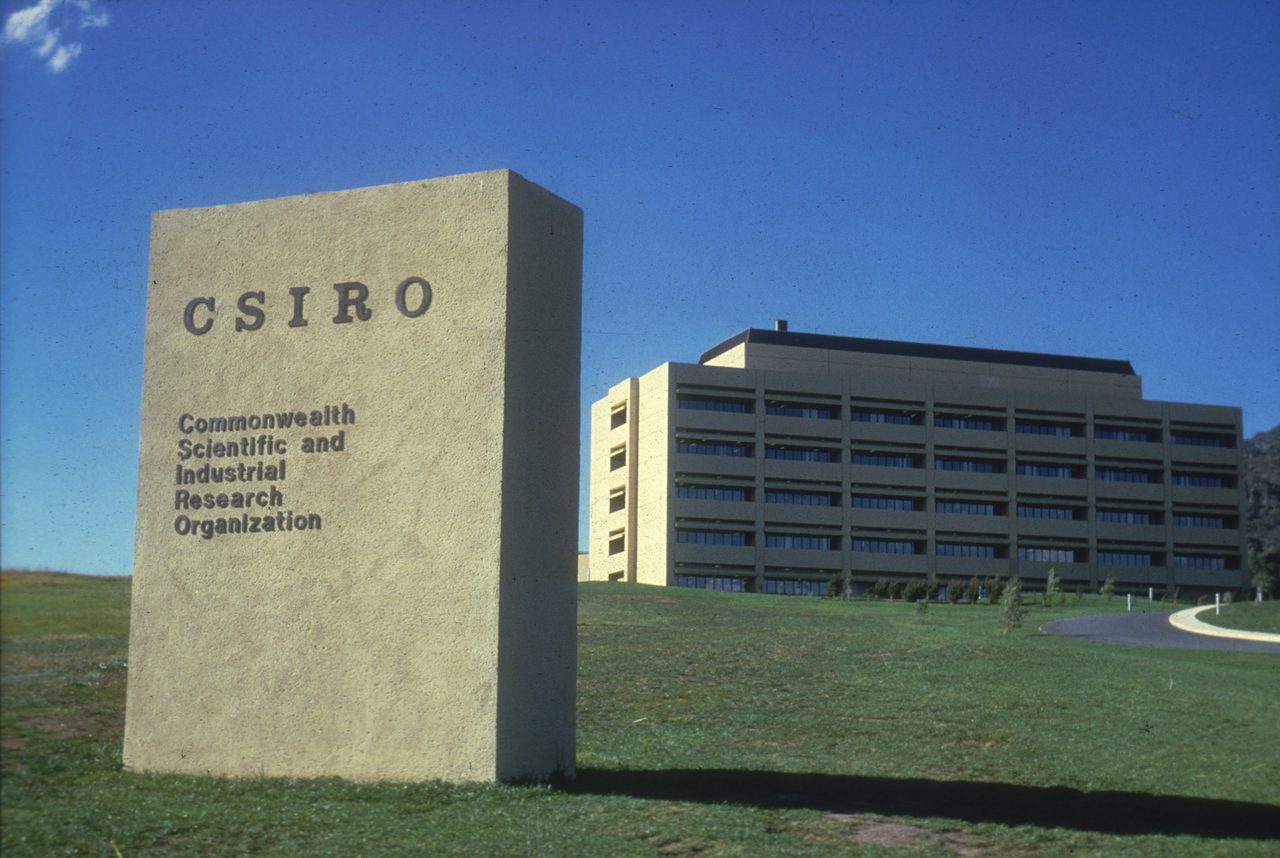
Dr. Shi, as director of the Center for Emerging Infectious Diseases at the Wuhan Institute of Virology of the Chinese Academy of Sciences, spent three months in Australia (from February to May 2006), working at CSIRO (Commonwealth Scientific and Industrial Research Organisation) at its invitation.
CSIRO has not commented on what work Dr. Shi did at that time, but the archives of the Wuhan Institute of Virology state that she worked with the SARS virus. “SARS virus antibodies and genes were tested at the State Key Laboratory of Virology in Wuhan and at the Animal Health Research Laboratory in Geelong, Australia.”
Dr. Shi’s protégé, Peng Zhou, who now leads a project on viral infection and immunity in bats at the Wuhan Institute of Virology, spent three years in the bio-isolator of the Australian Animal Health Laboratory from 2011 to 2014. During this time, Zhou arranged the transport of bats from Queensland to the laboratory in Victoria, where they were euthanized for autopsy and study of deadly viruses.
Federal Senator Sarah Henderson is deeply concerned that Chinese scientists are conducting research on bat viruses in Geelong (Victoria), and that all of this is funded through joint projects by the Australian and Chinese governments.
“We need to be extremely careful with any research projects involving foreign nationals that could threaten our national security or biosecurity,” she said.
Although the US has cut all funding to the Wuhan Institute of Virology, CSIRO did not answer whether cooperation continues.
Do the studies carry risks?
Fearing a global pandemic, the US stopped funding dubious experiments that make pathogens stronger or could spread dangerous viruses as early as October 2014.
CSIRO, for its part, despite concerns, continued to fund research at the Wuhan Institute of Virology, and now it refuses to answer questions about how much money was spent on it. The Wuhan institute still lists CSIRO as a partner, whereas the US officially severed its last ties after the coronavirus outbreak.
The most contentious question: is it worth developing viruses to predict and prevent a pandemic, when a virus leak could, on the contrary, create one? Debates are now underway in the scientific community.
In 2018, scientists and diplomats from the US embassy in Beijing visited the laboratory and sent a warning to Washington about inadequate safety methods and weak management during research on bat coronaviruses. They noted that the laboratory lacked properly trained specialists and researchers needed to safely manage it.
Could the virus have been created in a laboratory?
Scientists so far agree that the virus came from the market in Wuhan. But the US is now investigating the version that COVID-19 may have resulted from an accident at the laboratory in Wuhan.
Researchers at South China University of Technology published a report on February 6 concluding that “the killer coronavirus most likely originated from a laboratory in Wuhan. Biosafety levels in laboratories handling biohazards need to be raised.”
The document was soon withdrawn because it was not supported by direct evidence, said its author Botao Xiao. Nevertheless, scientist Yanzhong Huang wrote on March 5 that no one had yet confirmed or refuted these findings.
The Daily Telegraph does not claim that the South China University of Technology study is credible, but it was included in the government dossier as part of the case against China.
China concealed early samples
The dossier also mentions the concealment and destruction of evidence that the laboratory in Shanghai was closed “for correction.” The Ministry of Science and Technology is preliminarily reviewing scientific papers, and data on asymptomatic carriers is kept secret.
The picture that emerges is that Chinese authorities deliberately concealed the coronavirus, silencing outspoken doctors, destroying evidence from the laboratory in Wuhan, and refusing to provide live virus samples to scientists working on a vaccine.
The US and other countries repeatedly demanded a live virus sample as soon as the first cases of the coronavirus disease were recorded. China did not comply — the samples could be not only vital for vaccine development but also potentially indicate where the virus came from.
The disappeared lab worker — patient zero
Of all the doctors, activists, journalists and scientists who reportedly disappeared after comments on the coronavirus or criticism of Chinese authorities, one case intrigues the most — that of Wuhan Institute of Virology researcher Huang Yanling.
The English-language South China Morning Post, published in Hong Kong, wrote that rumors on Chinese social media that Huang Yanling was the first to be diagnosed with the disease, and was in fact patient zero, are being censored.
After information about her disappearance appeared, Yanling’s biography and photos were removed from the WIV website. On February 16, the institute denied that she was patient zero, stating that Huang Yanling is alive and well. But since then there has been no evidence of her life, which only fuels speculation further.
Destruction of evidence
On December 31, Chinese authorities began censoring search engines for news about the virus, removing several terms — “SARS variant,” “Wuhan seafood market,” “Wuhan unknown pneumonia.”
On January 1, without any study of the virus, the seafood market in Wuhan was closed and disinfected. The Hubei Provincial Health Commission ordered genomic companies to stop testing for the new virus and destroy all samples. And as early as January 3, the National Health Commission of China ordered that pneumonia samples in Wuhan be transferred to designated testing facilities or destroyed, while also banning publications about the unknown disease.
Doctors who did speak out about the new virus were detained and convicted. Their detentions were loudly announced in Chinese media with a police call: “No citizen should make up rumors, spread rumors or believe rumors.”
Global Times wrote on January 2 that Wuhan police had arrested eight people for spreading rumors about a local outbreak of unidentified pneumonia. This was meant to silence other doctors who might have wanted to speak out.
China was apparently trying to keep information about the outbreak secret, and President Xi Jinping persistently rejected any calls for an investigation from abroad. Despite evidence of human-to-human transmission since early December, Chinese authorities denied it until January 20. The WHO did the same, while Taiwan raised concerns as early as December 31, and Hong Kong on January 4.
The dossier notes China’s hypocrisy: it had already begun restricting movement within Wuhan, but pressured the US, Italy, India, Australia, Southeast Asian neighbors and other countries not to restrict communication with China, thereby protecting primarily itself.
While EU diplomats were preparing a report on the pandemic, Beijing pressured Brussels. When Australia called for an independent investigation into the pandemic, China threatened to halt trade with it. And it reacted no less furiously to US calls for transparency.
Key dates from the dossier
- November 9, 2015. The Wuhan Institute of Virology published a study stating that it had created a new SARS-CoV virus in the laboratory.
- December 6, 2019. Five days after a person linked to the Wuhan seafood market developed pneumonia-like symptoms, his wife also fell ill, indicating human-to-human transmission.
- December 27. China’s Health Ministry reported that the new coronavirus caused a new type of disease, which by then had infected about 180 patients.
- December 26-30. New evidence of the virus emerges.
- December 31. Chinese authorities begin internet censorship, purging terms such as “Wuhan unknown pneumonia.”
- January 1, 2020. Eight doctors from Wuhan who warned about the new virus are detained and convicted.
- January 3. China’s main health authority issues an order to keep silent about the coronavirus.
- January 5. The municipal health commission in Wuhan stops releasing information about new cases. This continues until January 18.
- January 10. Chinese official Wang Guangfa says the outbreak is under control and that patients are mostly in “mild condition.”
- January 12. Professor Zhang Yongzhen’s laboratory in Shanghai is closed by authorities for “correction.” A day earlier he had shared genomic sequence data with the world.
- January 14. Head of China’s National Health Commission Ma Xiaowei privately warned colleagues that the virus could be a major test for the healthcare system.
- January 24. Authorities ban the Wuhan Institute of Virology from sharing samples with the University of Texas.
- February 9. Citizen journalist and local businessman Fan Bing disappears.
- April 17. In Wuhan, another 1,290 people are retroactively added to the number of coronavirus deaths.
Material from The Daily Telegraph
Translation and adaptation by Evgeny Blazhko, TK Media

Russian Attacks in Dnipropetrovsk Region: Two Killed, Seven Injured

Defense Forces Strike Four Russian Drone Control Points in Past Day, Including in Berdiansk

Britain Threatens Sanctions on Kremlin-Linked People; Poland Ready to Hand Ukraine Ammunition

Russia says it has completed "planned exercises" in the Black Sea

MVD: Fake Riots With Prop Blood Were Being Prepared Near Presidential Office

Law Enforcers Name Another Klitschko Deputy as Suspect

Berlin Holds Protest Against War in Ukraine; EU Prepares for Possible Russian Halt of Gas Supplies
North Korea Fires Ballistic Missile Over Record Distance in Five Years
Irish Fishermen Force Russia to Postpone Naval Drills

US sanctions in case of invasion of Ukraine could completely destroy Russia's economy, NYT reports
