
Streaming Wars: What to Expect from Services Launching in 2020
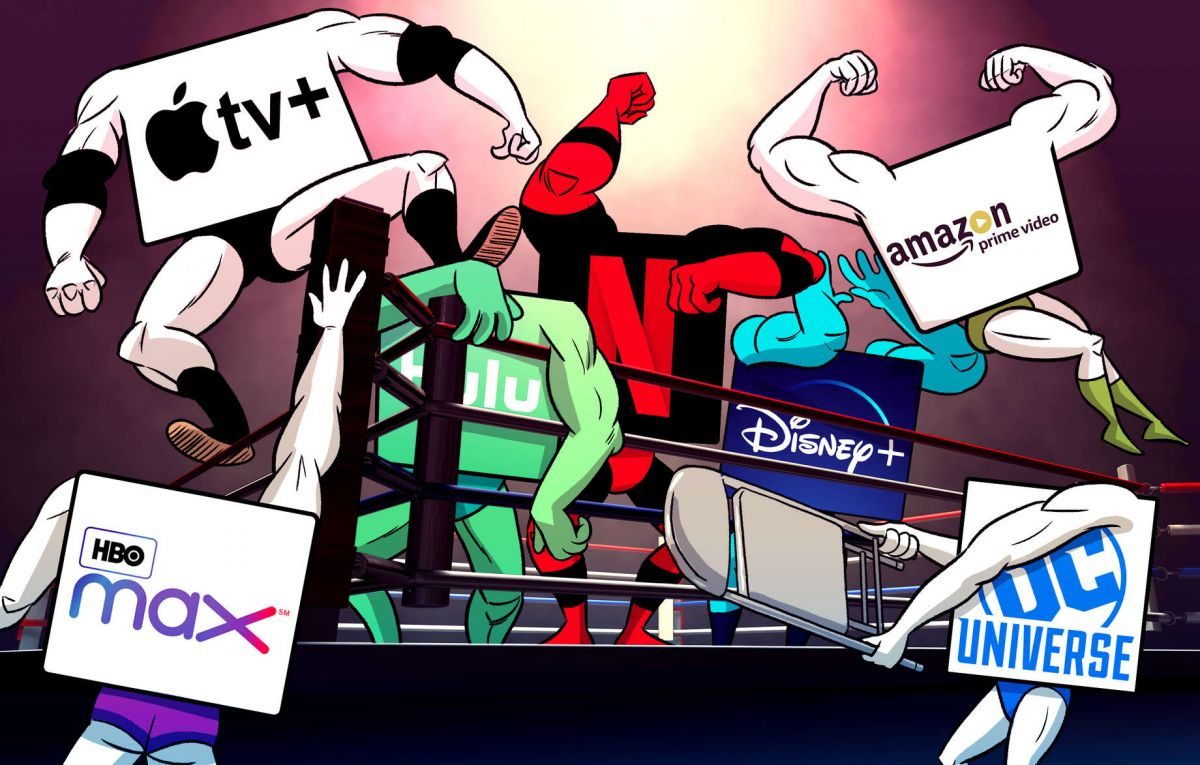
How the entertainment industry will change in the new year.
In late 2019, two major players joined the streaming wars: Disney+ and Apple TV+. But another wave of launches is coming: in 2020, HBO Max, Peacock, Quibi and Discovery/BBC will enter the market. It might seem like this news is not very relevant to our pirate paradise, where few are willing to pay for several subscriptions at once, and deputies are threatening to impose a tax on Netflix. But the oversaturation of the streaming market may change not only the balance of power but also the content that competitors offer. We explain which formats the new players will offer and how their arrival will affect our favorite TV series.
HBO Max (May 2020, $14.99 per month)
Star player: J.J. Abrams. Every service's management dreams of getting one of the visionaries of modern cinema under an exclusive contract. Netflix, for example, signed the creator of “American Horror Story,” Ryan Murphy, for five years for $300 million. Director of the latest “Star Wars” films J.J. Abrams planned to squeeze $500 million out of Warner Media, but the deal came to half that amount. Among the projects he produces for HBO Max is the series “Lovecraft Country,” about a young man who simultaneously faces racists and cosmic monsters.
What's original? Ambition. Randall Stephenson (CEO of AT&T, which owns Warner Media) assures that HBO Max will be a unique service, “not a copy of Netflix and Disney,” but it is obvious that this is not so: HBO Max will compete directly with Netflix and therefore is building as broad and diverse a catalog as its rival.
By 2021, HBO Max plans to reach 80 million subscribers, a serious claim for a saturated market. Among the service's original plans so far is the “Recommended by People” feature: new series will be suggested not by impersonal algorithms but by curators and celebrities like actor Zac Efron.
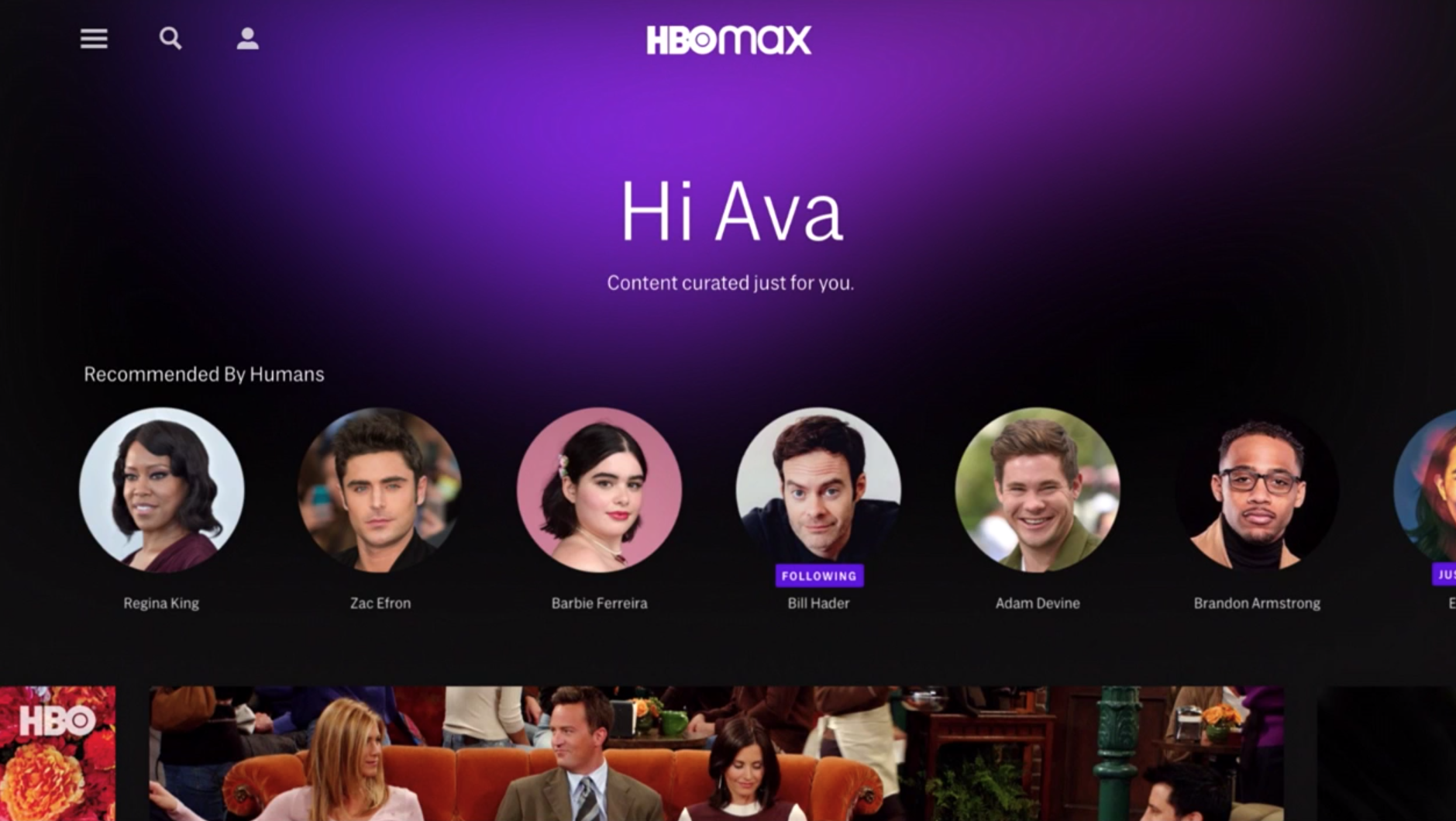
What will it show? According to polls, this is the most anticipated streaming platform launch. Among the 10,000 hours of content with which HBO Max will start are HBO's original shows (“Game of Thrones”), “South Park,” rights to which the company bought for $500 million, 11 seasons of the new “Doctor Who,” all of “The Big Bang Theory,” and the series “Friends,” which left Netflix in December. Parent company Warner Media even managed to acquire two dozen Studio Ghibli films, including “Spirited Away,” although the studio's management previously denied the possibility of cooperating with streamers.
Among the content of Max Originals, which is separate from the HBO brand, will be a new series based on James Fenimore Cooper's “The Last of the Mohicans,” two shows based on DC comics (“Green Lantern” and “Strange Adventures”), and the sci-fi series “Eleventh Station,” which is frightening even before its launch: in it, humanity has died out from a swine flu epidemic.
What will it change? HBO Max threatens to lure away Netflix subscribers, who are hesitating not because of service prices (budget-conscious viewers will more likely choose the cheaper Disney+), but because of content quality. Max may also strike a blow to the notorious “binge-watching,” when viewers watch an entire season of a new show in a day. The point is that new episodes will premiere once a week. Disney and Apple have also partly adopted this strategy: it seems companies have appreciated the media reach of seasons that are not released in full. Remember how many topical pieces media outlets managed to publish between episodes of “Game of Thrones,” and what a thrill of anticipation fans experienced. So from the “everything at once” system we may return to “a little at a time.”
Quibi (April 2020, $4.99–7.99)
Star player: Steven Spielberg. The new service did not buy the director of “E.T.” outright (Spielberg is simultaneously creating a show for Apple+), but apparently this was not the ultimate goal. The main thing is that Spielberg has joined Quibi's most original format: a series with the working title “Spielberg After Dark” can only be watched once darkness falls.
What's original? Brevity. Quibi targets young people who have little time and will offer series with episodes under 10 minutes long. “Throughout the day you have five or ten free minutes, and that's a chance to watch something great,” the company promises. As Vulture writes, “this rhythm will either seem too crazy to you, or it will teach you to see standard 50-minute episodes as mastodons like ‘The Irishman.’”
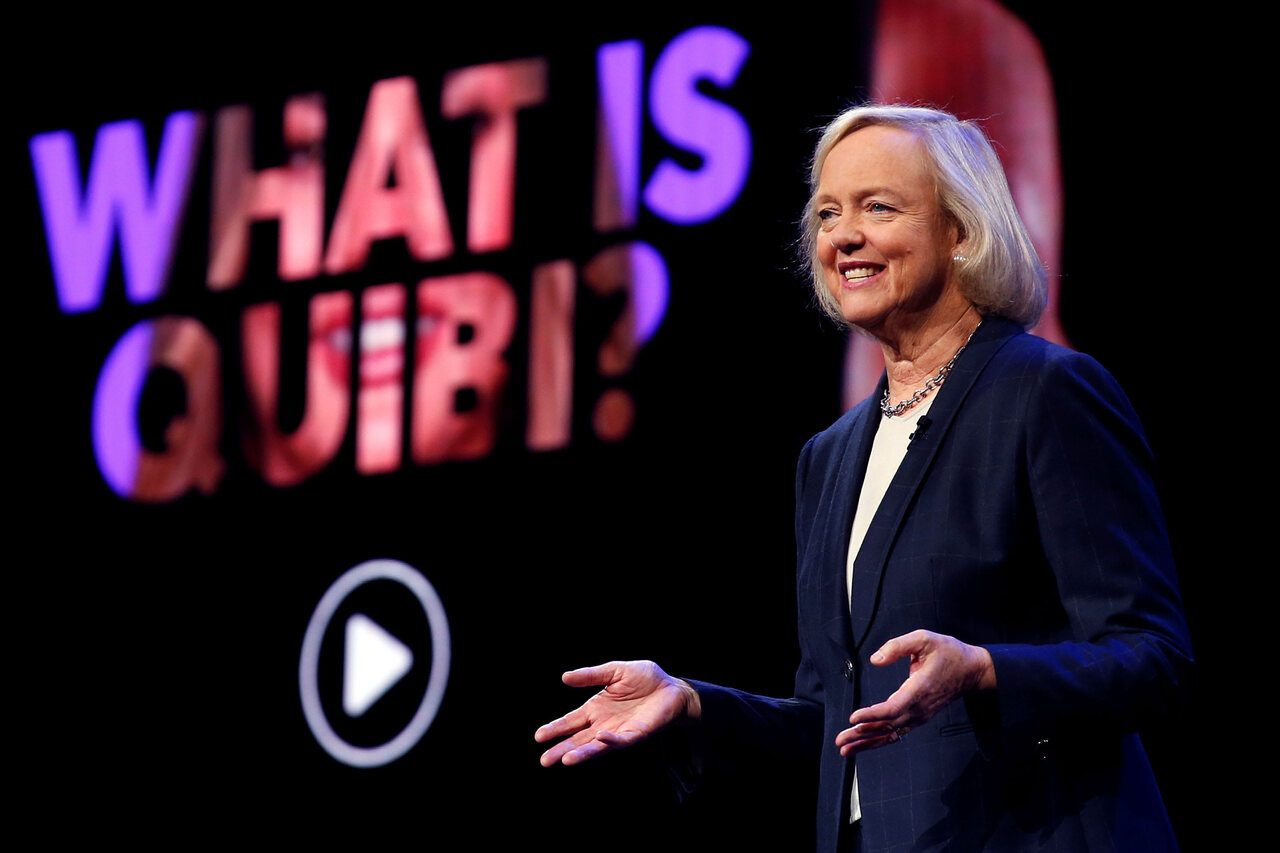
What will it show? Don't assume that ultra-short runtimes mean inventing new formats. Quibi has already announced several remakes, including the thriller “The Fugitive,” based on the film with Harrison Ford, reboots of the MTV shows “Punk'd” and “Singled Out,” and another reality show about court disputes. Interactive series in the spirit of “Black Mirror: Bandersnatch” are also promised.
Among notable original projects are the mysterious series “Wolves and Villagers” with Naomi Watts, produced by Jason Blum, godfather of modern horror (at Quibi they guess that the strongest emotion you can instill in a viewer in a couple of minutes is fear). Also awaiting us is the sci-fi drama “Don't Look Deeper” about a high school girl who feels she is not entirely human. The director, predictably, will be Catherine Hardwicke, who made “Twilight.”
What will it change? Streaming services may stop competing with each other and start winning audiences away from social media. Quibi's main competitor is not Netflix or Amazon at all, but TikTok. “You might ask, can't teenagers spend time on services like Apple and on platforms like TikTok, Instagram, YouTube, Firework or Triller, whose content is created by the users themselves?” write data analysts at Jump. “In theory, they can. But when you subscribe to a streaming service, you're not just spending $5 or $15, you're spending valuable time. The same goes for social media. A minute spent on TikTok is a minute you won't spend watching ‘The Handmaid's Tale.’ And although the time users spend on mobile video keeps growing, it has a physical limit. So users aged 12 to 25 are hard to lure away with long dramas.”
Perhaps that is precisely why Quibi emphasizes proven reality formats compressed to a few minutes: they will not be far removed from the content that teenagers go to social media for. It's not a given that this business model will take off (Snapchat's series, for example, did not), but if Quibi succeeds, we should expect a real revolution in “small-format” shows.
Peacock (April 2020, $9.99)
Star player: Sam Esmail. The creator of “Mr. Robot” is producing a miniseries for NBC's service about a mysterious model named Angelina, who appeared on billboards in 1980s Los Angeles and strongly influenced pop culture. In addition, he will create a reboot of the cult series “Battlestar Galactica.” This is not as prestigious an acquisition as Abrams or Spielberg, but Peacock apparently prefers to win viewers over not with names but with a guarantee of quality. Besides Esmail, its roster of creators and producers will include Tina Fey (“Mean Girls”) and Michael Schur (“The Good Place”).
What's original? The combination. On NBC, Peacock can be watched as on-demand shows as well as real-time video (for example, news). In addition, the service will divide its content into “virtual channels” that will air themed programming 24/7. It is already known that these will include art house, horror, family films and comedies.
What will it show? From TV classics: “The Office” (though only from 2021), “Downton Abbey,” “Brooklyn Nine-Nine” and “Keeping Up with the Kardashians.” From originals, we'll be pleased by an adaptation of “Brave New World” with Alden Ehrenreich and Demi Moore. It's hard to believe that Ridley Scott himself failed to film this classic dystopia back in the day. The musical sitcom “Lady Parts,” about a Muslim girls' punk band, boasts an unusual synopsis. But overall Peacock is betting more on nostalgia than originality: reboots of Americans' beloved series “Punky Brewster” and “Saved by the Bell” are expected.
What will it change? The new service may push competitors to move some of their content behind paywalls. With ads, Peacock can be watched for less (or even for free), but Peacock Free will have a limited catalog compared to Peacock Premium. Analysts at Wedbush Securities believe that such a move could shake even Netflix's position.
Little is known so far about the joint Discovery and BBC service, except its educational and nature-focused theme. But the very emergence of such a platform points to another trend in the streaming wars: service specialization. By 2020 we have gotten separate streamers for fans of art house, horror, DC comics and romantic films (the last was launched by Elon Musk's sister Tosca), and it's not out of the question that the market will fragment even further over time. Christian art house? Romantic comics? Anything, as long as the user is willing to part with hard-earned $9.99 a month.
Marina Moynihan, TK Media

Russian Attacks in Dnipropetrovsk Region: Two Killed, Seven Injured

Defense Forces Strike Four Russian Drone Control Points in Past Day, Including in Berdiansk

Britain Threatens Sanctions on Kremlin-Linked People; Poland Ready to Hand Ukraine Ammunition

Russia says it has completed "planned exercises" in the Black Sea

MVD: Fake Riots With Prop Blood Were Being Prepared Near Presidential Office

Law Enforcers Name Another Klitschko Deputy as Suspect

Berlin Holds Protest Against War in Ukraine; EU Prepares for Possible Russian Halt of Gas Supplies
North Korea Fires Ballistic Missile Over Record Distance in Five Years
Irish Fishermen Force Russia to Postpone Naval Drills

US sanctions in case of invasion of Ukraine could completely destroy Russia's economy, NYT reports
