
The Witcher Won’t Be the Next Game of Thrones. How Netflix’s Strategy ‘Killed’ the Series

Netflix’s streaming strategy burns through all the content at once, preventing the series from gathering discussions and theories.
The Witcher has everything needed for success: source material that was already popular, a large-scale marketing campaign, a good performance by Henry Cavill, and a cult meme in the form of the hit “Toss A Coin To Your Witcher.” And yet, despite its popularity, it seems The Witcher is not destined to become a “must see” like The Mandalorian on Disney+ or Watchmen on HBO. There is at least one reason why this is happening: Netflix released its series all at once instead of one episode a week, as other companies do.
Releasing one episode a week offers several advantages for fans: they can discuss the new episode throughout the week, digest its events, and save their time.
By releasing all episodes at once, Netflix sacrifices weekly discussions around The Witcher for a brief burst of popularity, after which everything fades into the void, as people’s attention is captured by the next big thing. A week-long interval between episodes allows the audience to grow over time, as more people learn about the series and tell their friends about it.
It can be compared to The Mandalorian, which draws viewers in with each new GIF of baby Yoda, or to the weekly discussions and theories that fill the time between episodes of Watchmen. Initially, perhaps not everyone was interested in The Mandalorian, but when others started talking and sharing GIFs, they probably wanted to give it a try.
Weekly releases encourage streaming shows that draw viewers who gather to watch together and react in real time. A weekly release means everyone is at roughly the same point in the series. With The Witcher, the situation is the opposite: no one is hooked by the leading song, because people have not yet reached that episode.
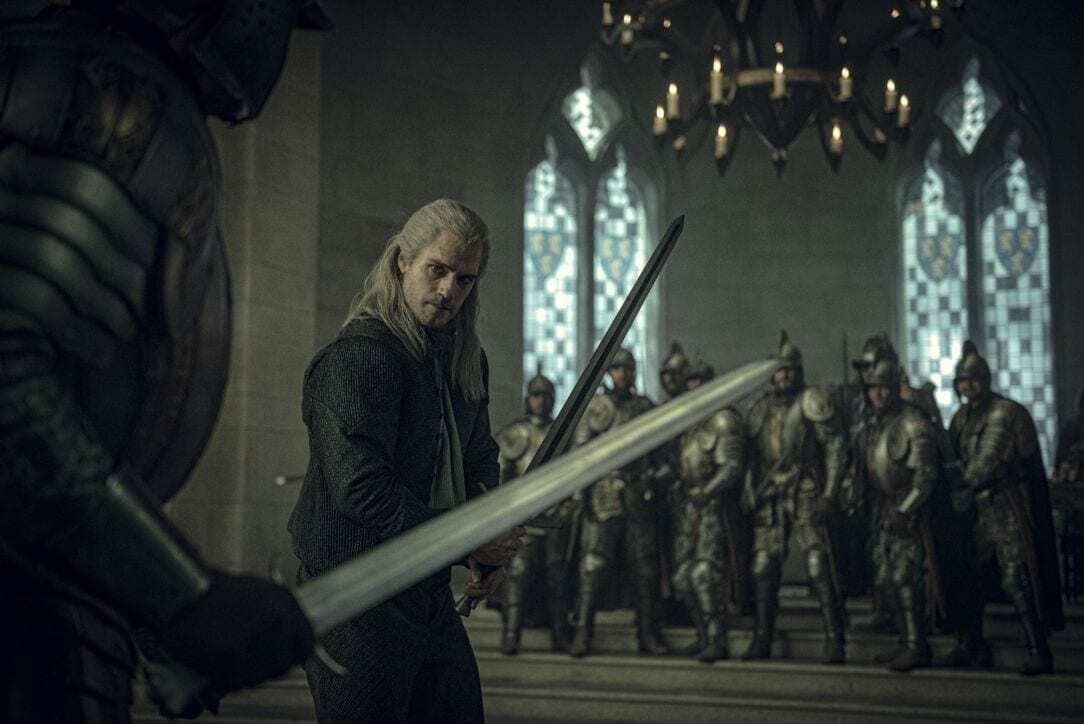
Weekly episode releases are less tiring — one episode doesn’t take too much time. Netflix, however, drops all the episodes at once, requiring viewers to watch them all in one go.
The issue is not that The Witcher failed to become popular: at least one company said that it was more popular than The Mandalorian at least during the first weekend after its Netflix release. But even if these numbers are accurate, that was only one week compared with months when The Mandalorian dominated discussions. How long can The Witcher realistically hold the lead without new episodes that could bring viewers back, and with a large amount of content waiting its turn?
This does not mean Netflix’s traditional strategy of “dumping everything in one day” is always ineffective. Some of its original series — for example, the three seasons of Stranger Things, The Umbrella Academy, and so on — are filmed and developed so that the result resembles a 10-hour movie with convenient breaks between episodes. Although weekly releases can make sense here too, Netflix’s strategy is understandable given the content.
Netflix’s approach was once seen as a breath of fresh air, especially compared with bloated 24-episode seasons and months-long runs that dominated television. Netflix’s strategy of releasing all episodes at once promised a film-like approach. But multi-hour TV series are still not films, and trying to fit episodes into a cinematic box simply doesn’t work.
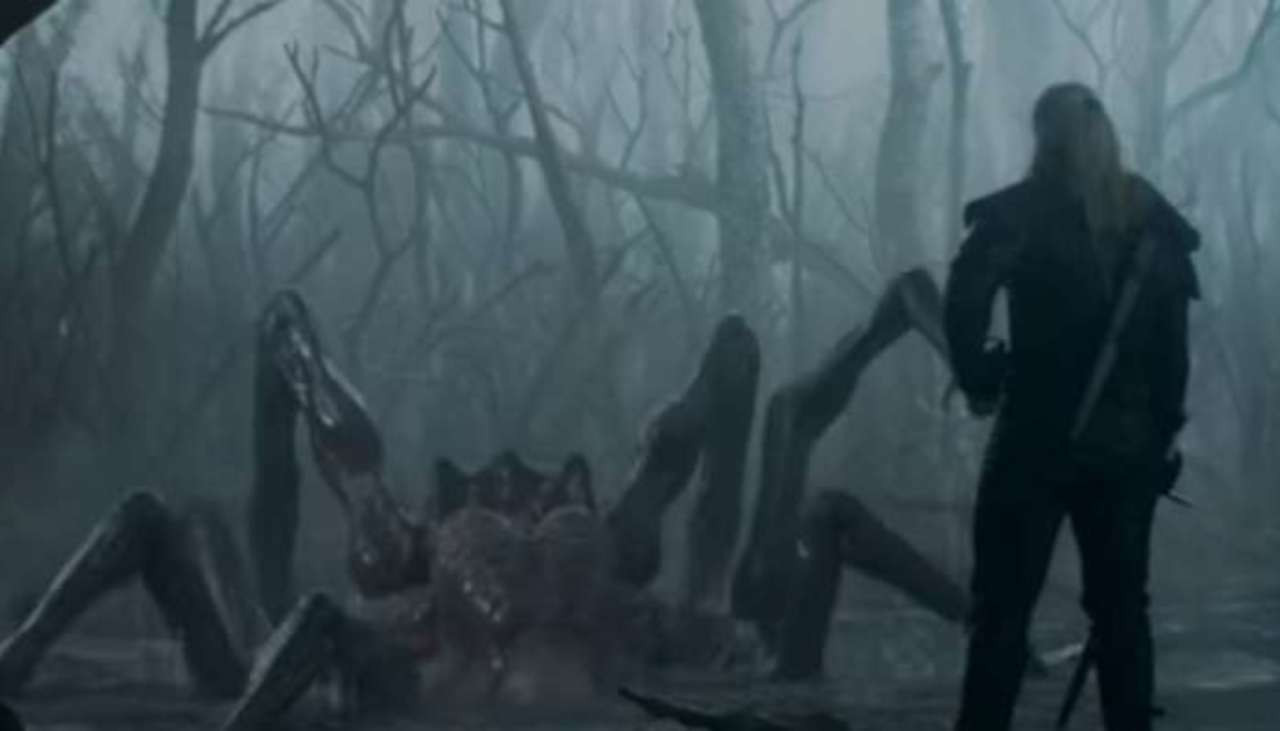
Unlike other Netflix shows, The Witcher even looks like one that needs a weekly release, given its “monster of the week” style and Geralt’s battles, split into fairly self-contained chunks. Add to this the twisting timelines and developing storylines — and you get a show that is almost purpose-built for the modern industry in the style of Game of Thrones, Westworld, and Watchmen, where people love to theorize and discuss. For example, it’s hard to create a podcast series about The Witcher if all the discussion happens over a single weekend.
Not every new series will be the next Game of Thrones or The Mandalorian — take Apple’s product See, which came out weekly, with a huge budget and a star-studded cast, but still flopped because it isn’t very good.
The Witcher probably won’t become the next Game of Thrones either. But Netflix’s strategy doesn’t even give the series that chance: the streaming service simply burns through all its content at once instead of gradually, which could help its popularity grow.
Text by Chaim Gartenberg, The Verge
Translation by Evgeny Blazhko for TK Media

Russian Attacks in Dnipropetrovsk Region: Two Killed, Seven Injured

Defense Forces Strike Four Russian Drone Control Points in Past Day, Including in Berdiansk

Britain Threatens Sanctions on Kremlin-Linked People; Poland Ready to Hand Ukraine Ammunition

Russia says it has completed "planned exercises" in the Black Sea

MVD: Fake Riots With Prop Blood Were Being Prepared Near Presidential Office

Law Enforcers Name Another Klitschko Deputy as Suspect

Berlin Holds Protest Against War in Ukraine; EU Prepares for Possible Russian Halt of Gas Supplies
North Korea Fires Ballistic Missile Over Record Distance in Five Years
Irish Fishermen Force Russia to Postpone Naval Drills

US sanctions in case of invasion of Ukraine could completely destroy Russia's economy, NYT reports
